We finish parts so they look credible, behave as expected and stand up to review

Matte, gloss and satin coatings applied with precision, each chosen to improve how the part looks, performs or lasts
In-house colour matching using computerised mixing systems and technicians with forty years of finishing experience across a broad range of products and materials.
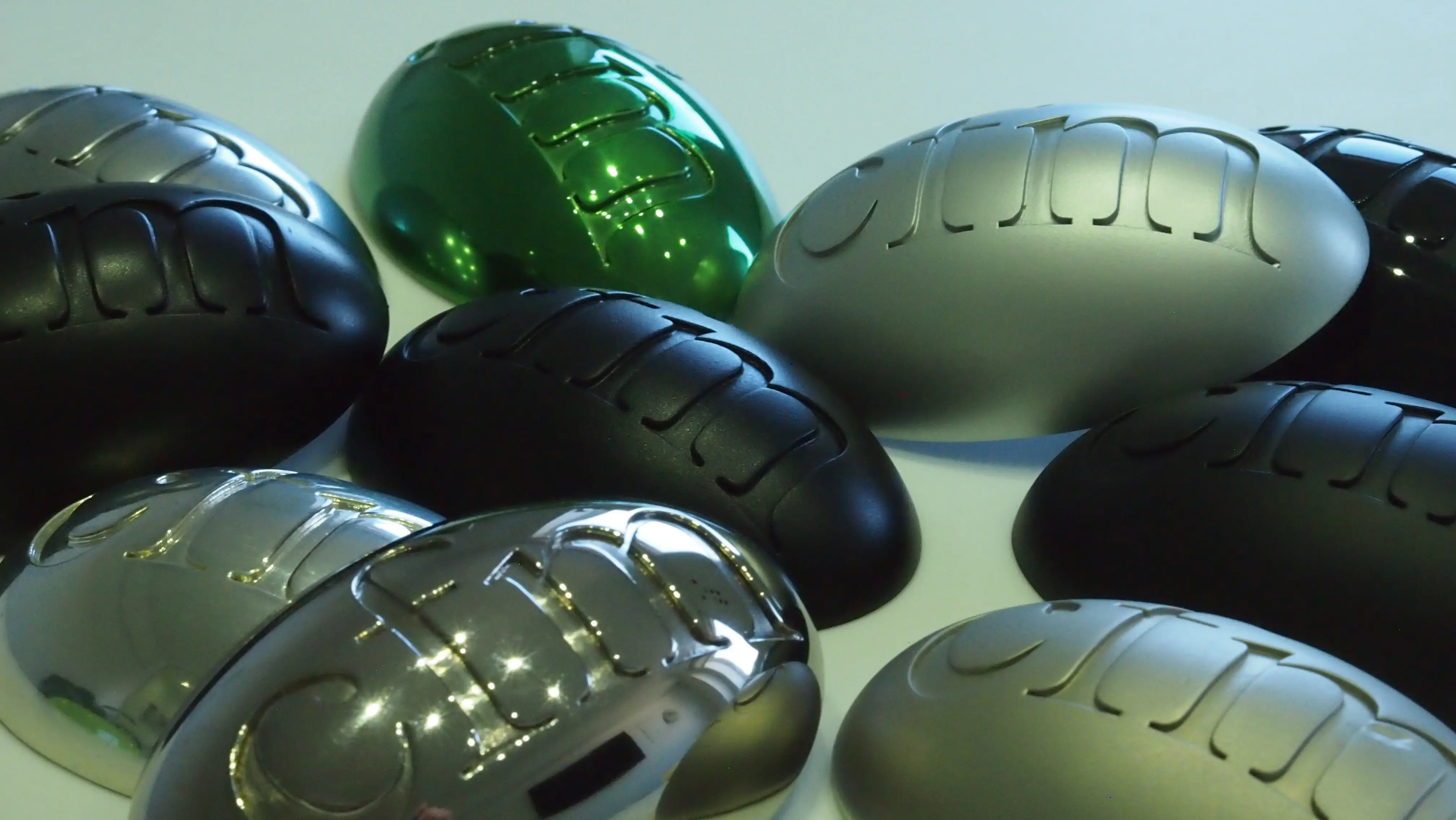
Colours, Textures & Gloss Levels
We help you choose colours and finishes that represent your production intent as closely as possible.
Read more: how prototype finishing makes field testing more accurate.
Colours
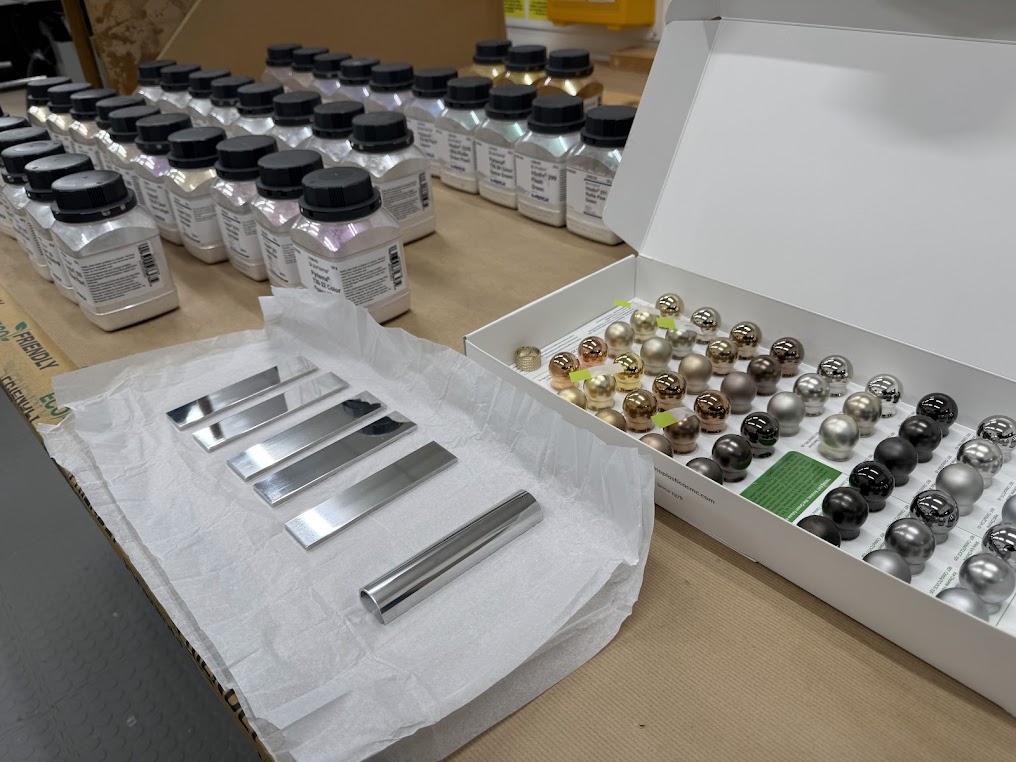
We mix colours to match any physical sample you provide, as well as Pantone and RAL references. RAL and car paint colours are mixed on the paint maker’s computerised system. For Pantone, we keep a record of every colour we have mixed over the last 10 years; a new Pantone or sample colour is mixed by eye, which can take a couple of hours, and once we have the mix we can reproduce it easily. We also offer specialist finishes such as flip, pearl, metallic and chrome, which are applied as paint rather than cast in during vacuum casting.
Textures
We match VDI reference textures, or a physical sample you send us.
Gloss Levels
We offer gloss levels from matte to high gloss. Each interacts with colour differently: matte tones colour down and gloss intensifies it, so it is worth seeing a sample before you decide.
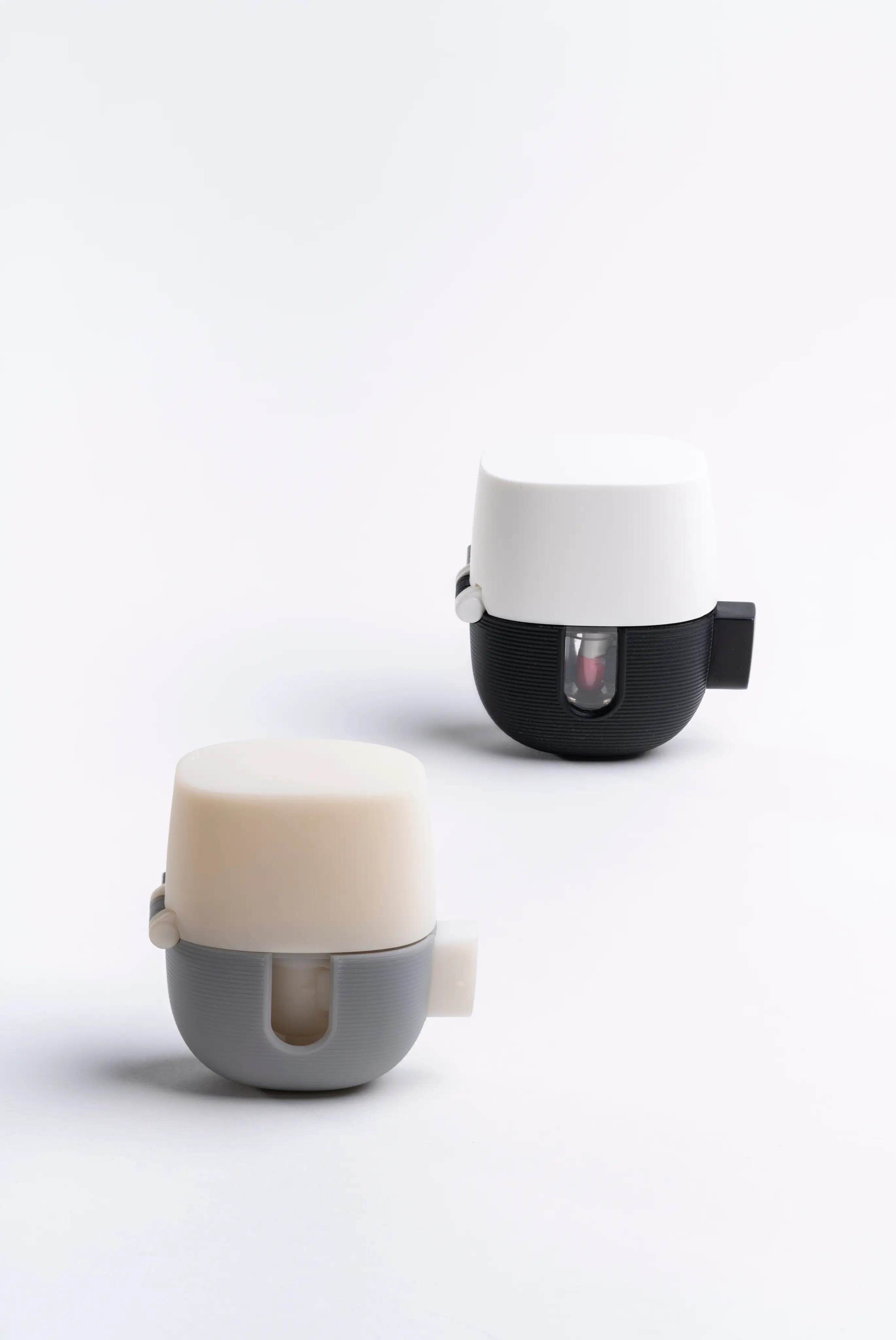
We match colours and apply specialist coatings to help parts present well, handle well and read correctly in review, testing and use.
Adds depth and visual impact when the part needs a more finished, production-like look.
A tactile coating that improves grip and feel, used when handling and surface experience matter as much as appearance.
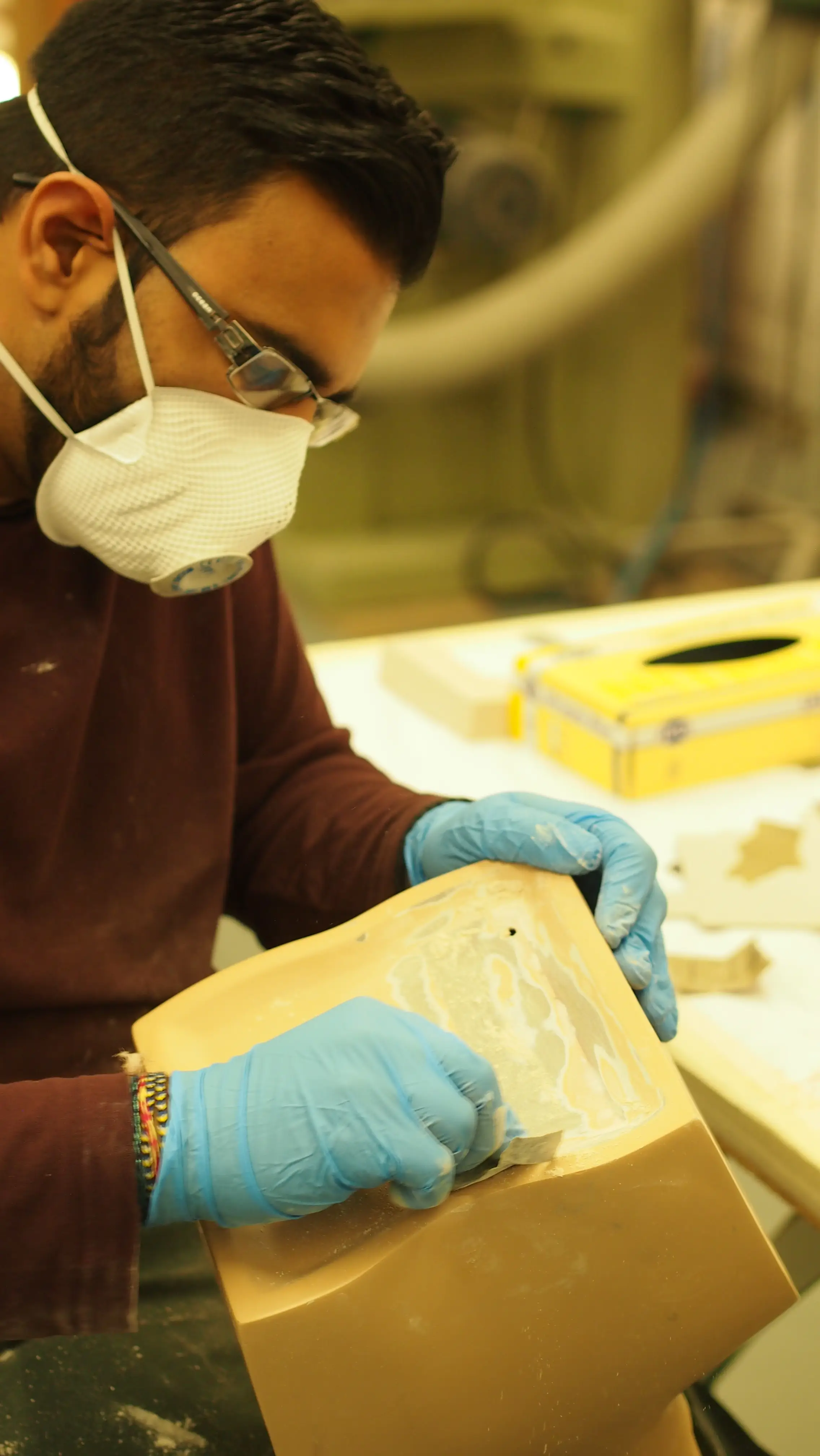
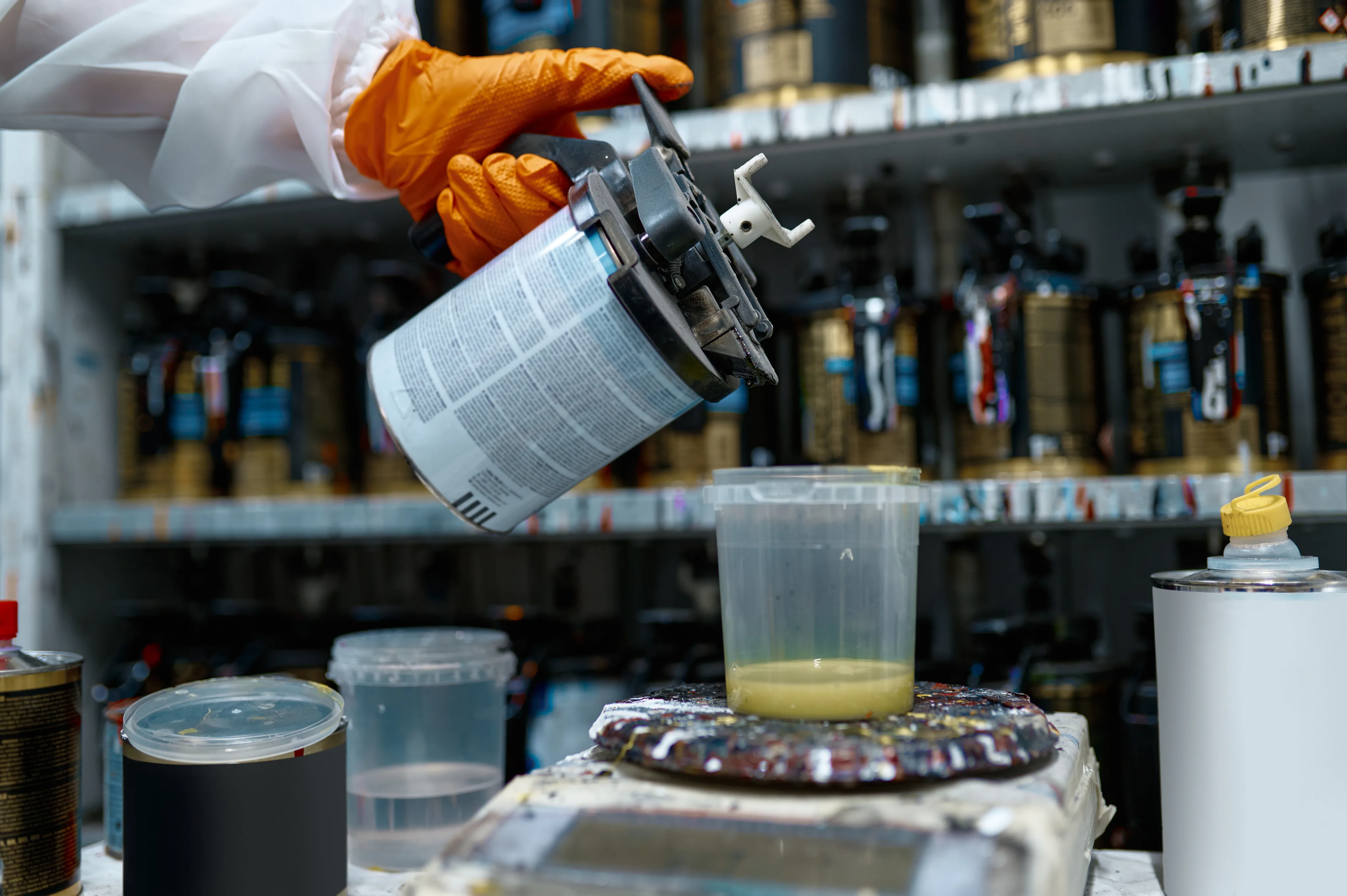

We clean and sand every part to remove contaminants and create proper adhesion. This step is what makes the finish bond properly and hold up over time.
We choose primers to suit the material and top coat, so the finish adheres well, lasts longer and performs as intended.
We apply coatings in controlled conditions to keep colour and texture consistent. Multiple thin coats give a better result than one heavy coat.
We finish parts to mimic almost any surface: VDI textures, anodised metallics, machined surfaces and soft-touch coatings, on 3D printed, cast and machined parts. The same finishes go on the display and appearance models we make: see our model making services.
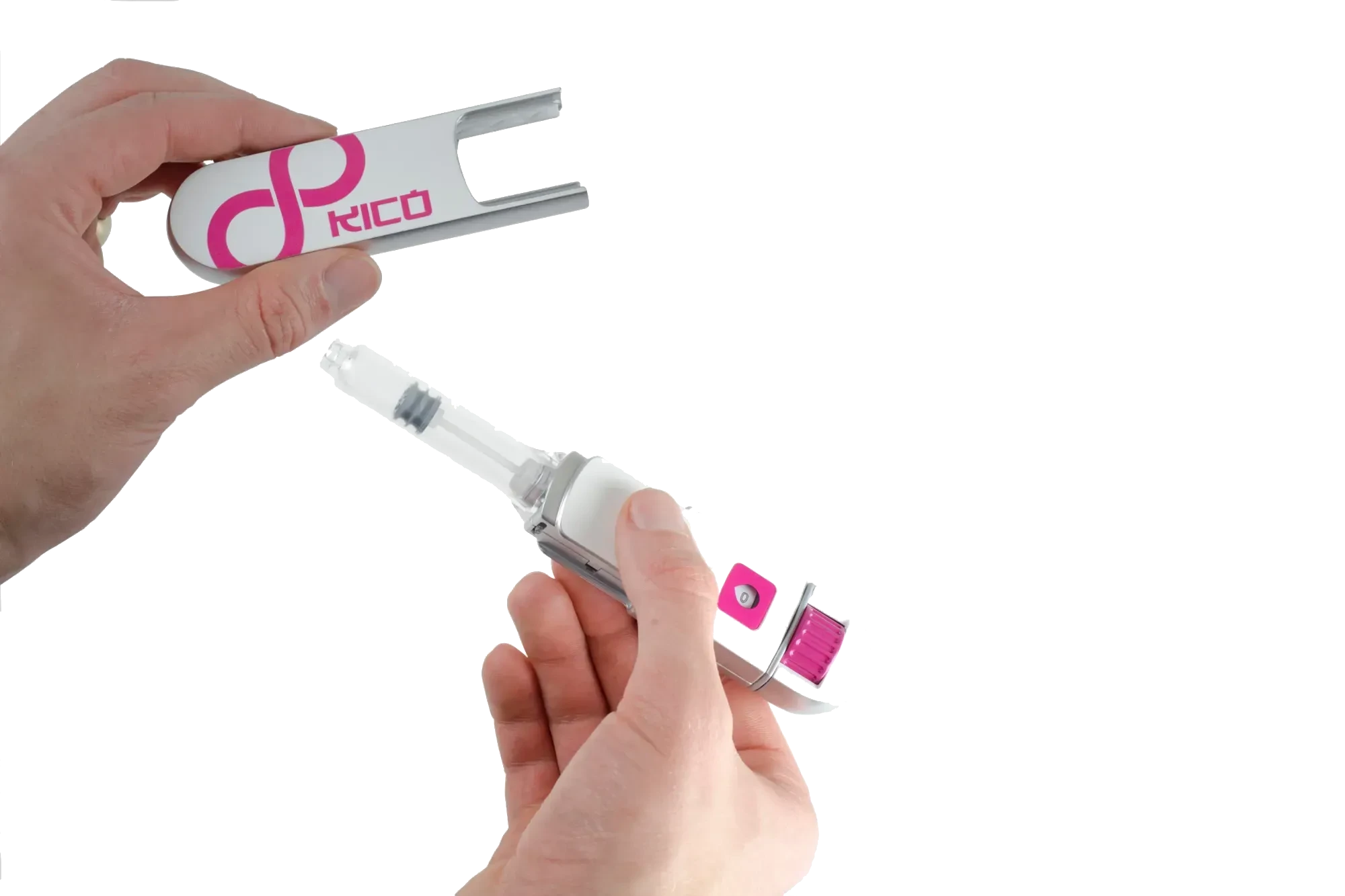
Finished parts ready for production and beyond
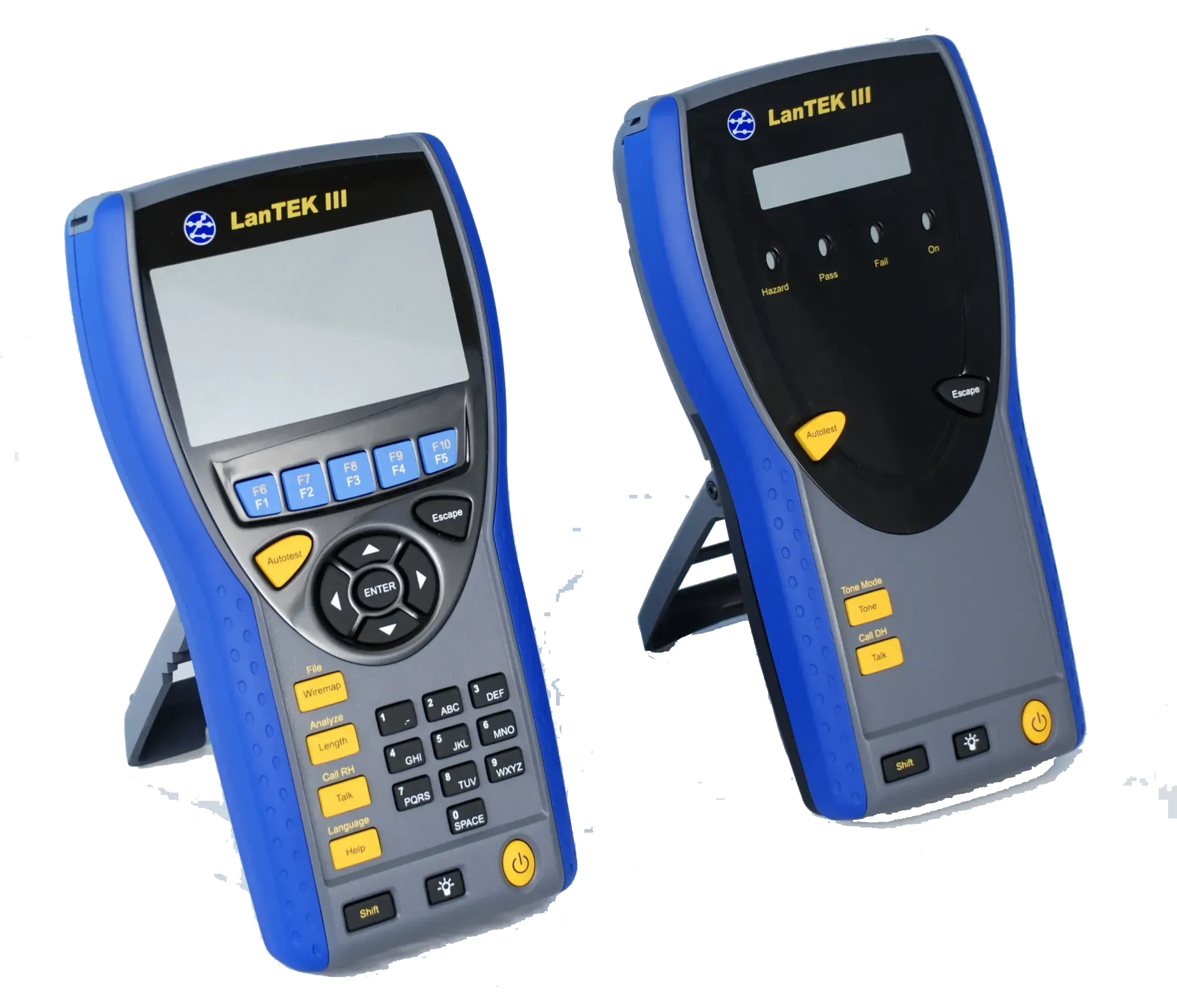
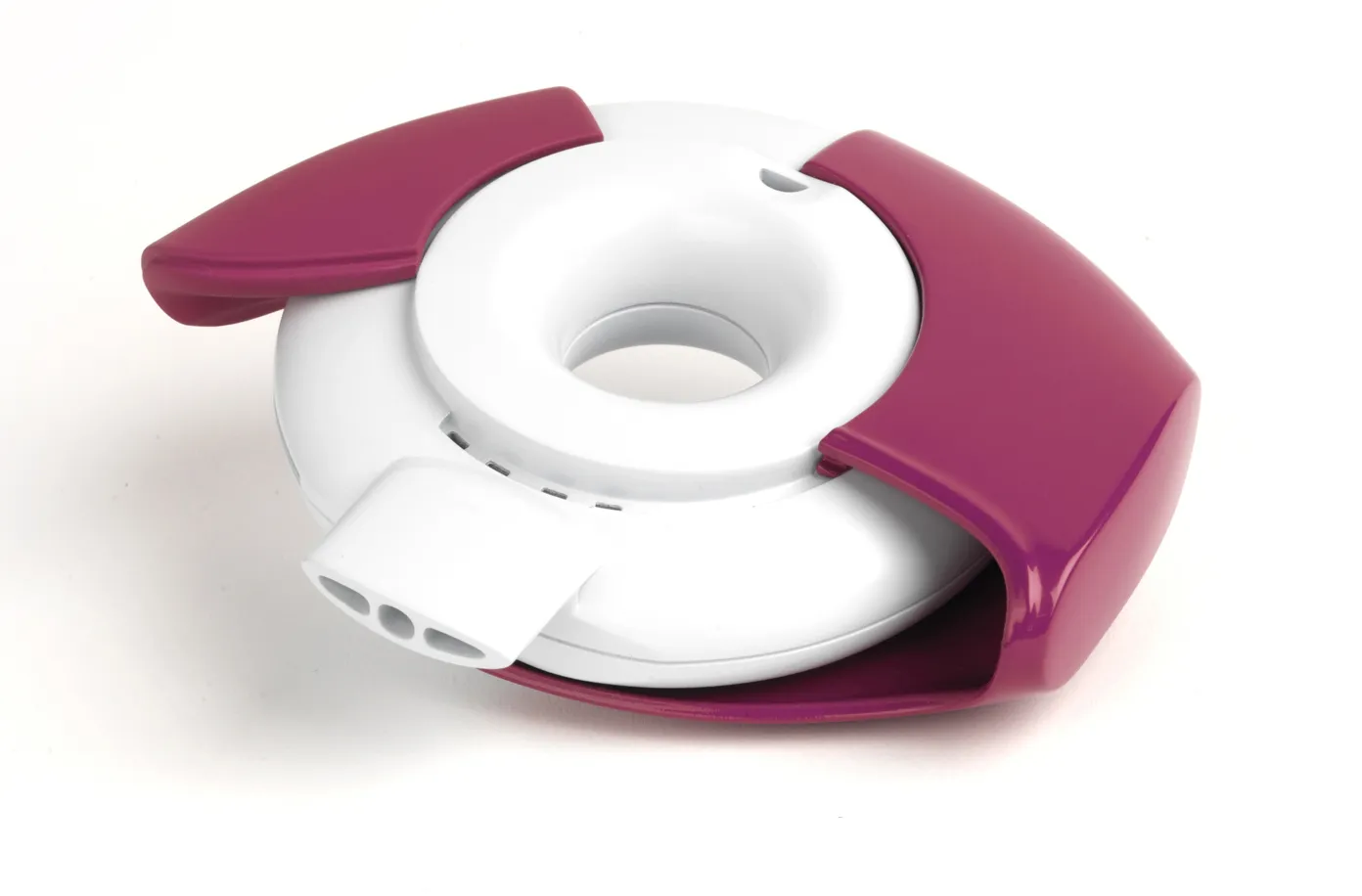
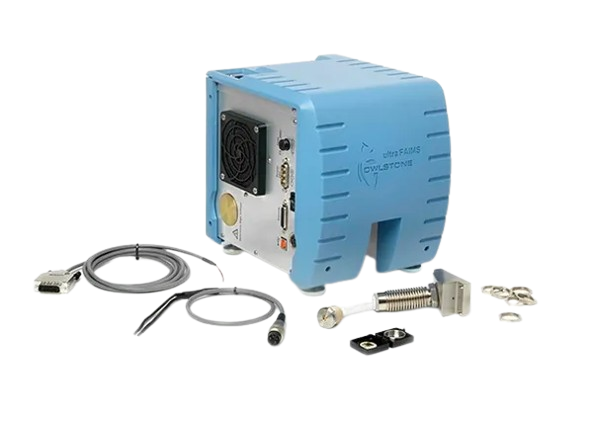
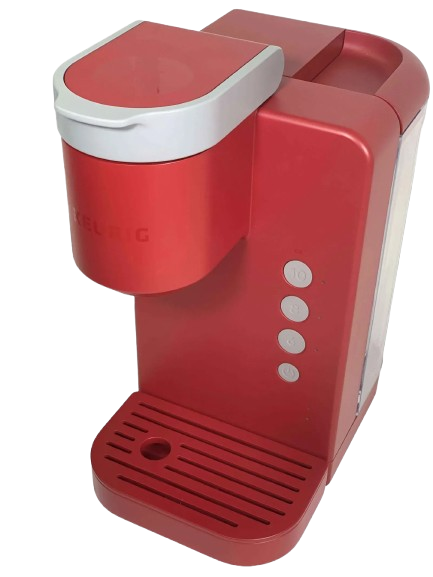
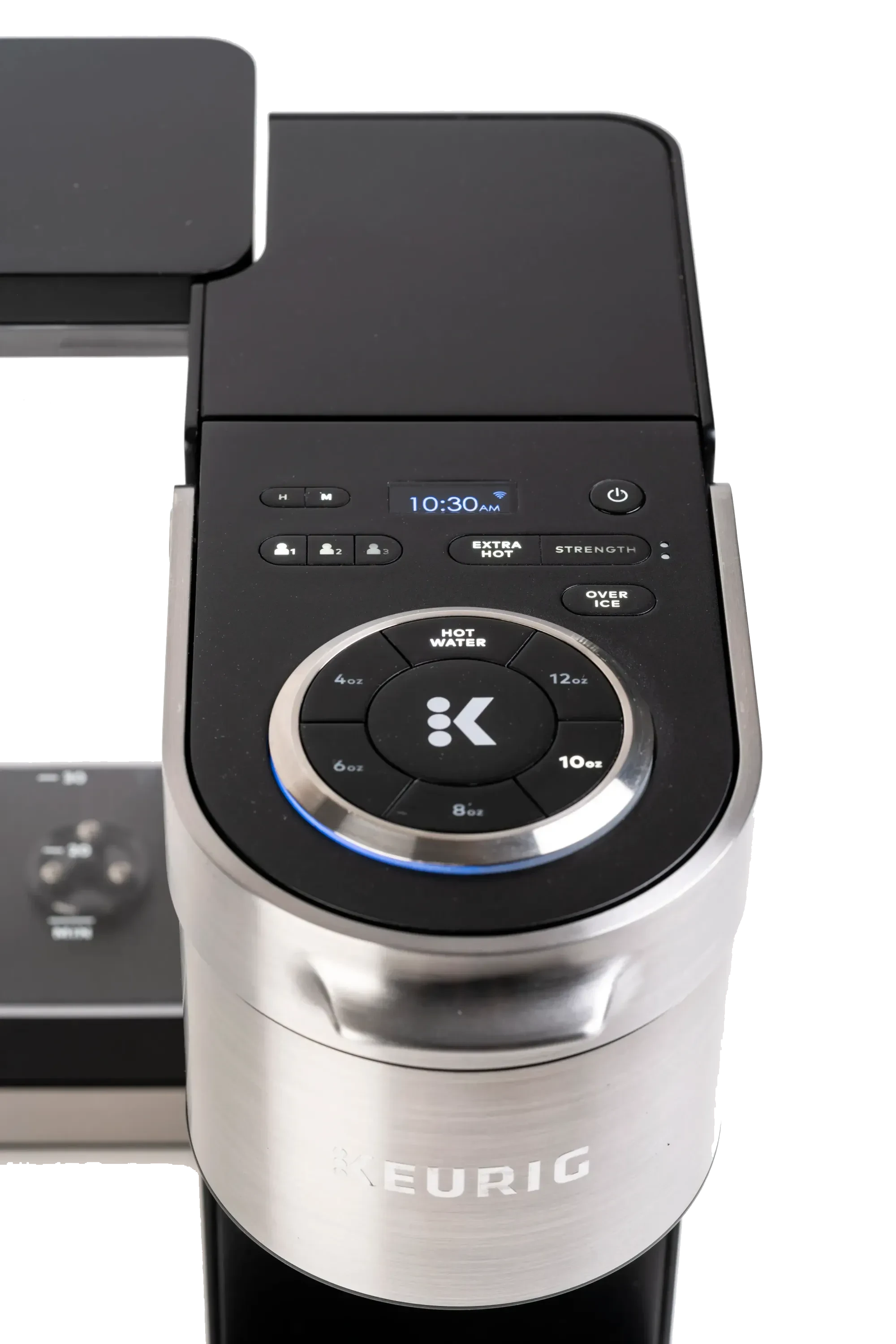
Send us a part, a colour reference or a sample and we will match it.
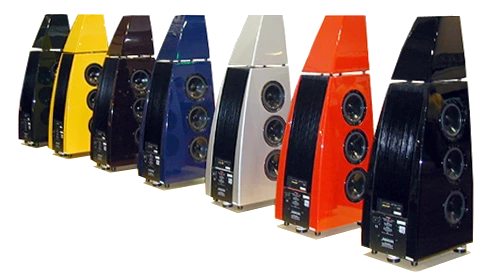
Yes. We mix colours in house to match a physical sample you send us, or a Pantone or RAL reference.
Gloss levels from matte to high gloss, metallic, flip, pearl and chrome paint finishes, soft-touch coatings, and VDI textures, matched to a reference or a sample. Favourites in the workshop include our chrome paint finish, clear tinted lacquer over bright or metallic colours, and a marbled effect.
3D printed, cast and machined parts. We choose the primer to suit the material and the top coat.
It depends on the size, shape and colour. As a guide, a high-gloss or soft-touch finish takes 2 to 3 days for one 3D printed part, 5 to 6 days for 20 and 20 to 25 days for 100. A two-colour, masked finish takes 2 to 3 days for one part, 5 to 6 days for 20 and 10 to 15 days for 100. A simple painted finish on a couple of overnight-printed parts can sometimes be done in a day. We confirm the timing at quote.
Yes. On small, high-detail models we allow about 0.2 mm per surface for a high-gloss finish and 0.1 to 0.15 mm for satin, matt or spark finishes. Larger parts carry a thicker build, which isn’t noticeable at that scale. Tell us which faces fit together, such as clips, bores and threads, so we can allow for it or mask them.
Flat panels up to 1 m × 2 m, or parts up to about 1 × 1 × 0.6 m. In practice, anything we can fit through the paint shop door.
2K lacquer, in matt, gloss or soft-touch, is the toughest because it is a sprayed resin coating. Gloss can still be scratched, and matt and soft-touch can be marked, but they stand up best to handling and wiping clean.
Yes. We prime, fill and sand 3D printed parts to remove layer lines, spray them in our in-house booths and finish them with a lacquer, with 2K lacquer the most durable. SLA parts need the least preparation because their surface is smooth and non-porous; FDM parts need more filling first.
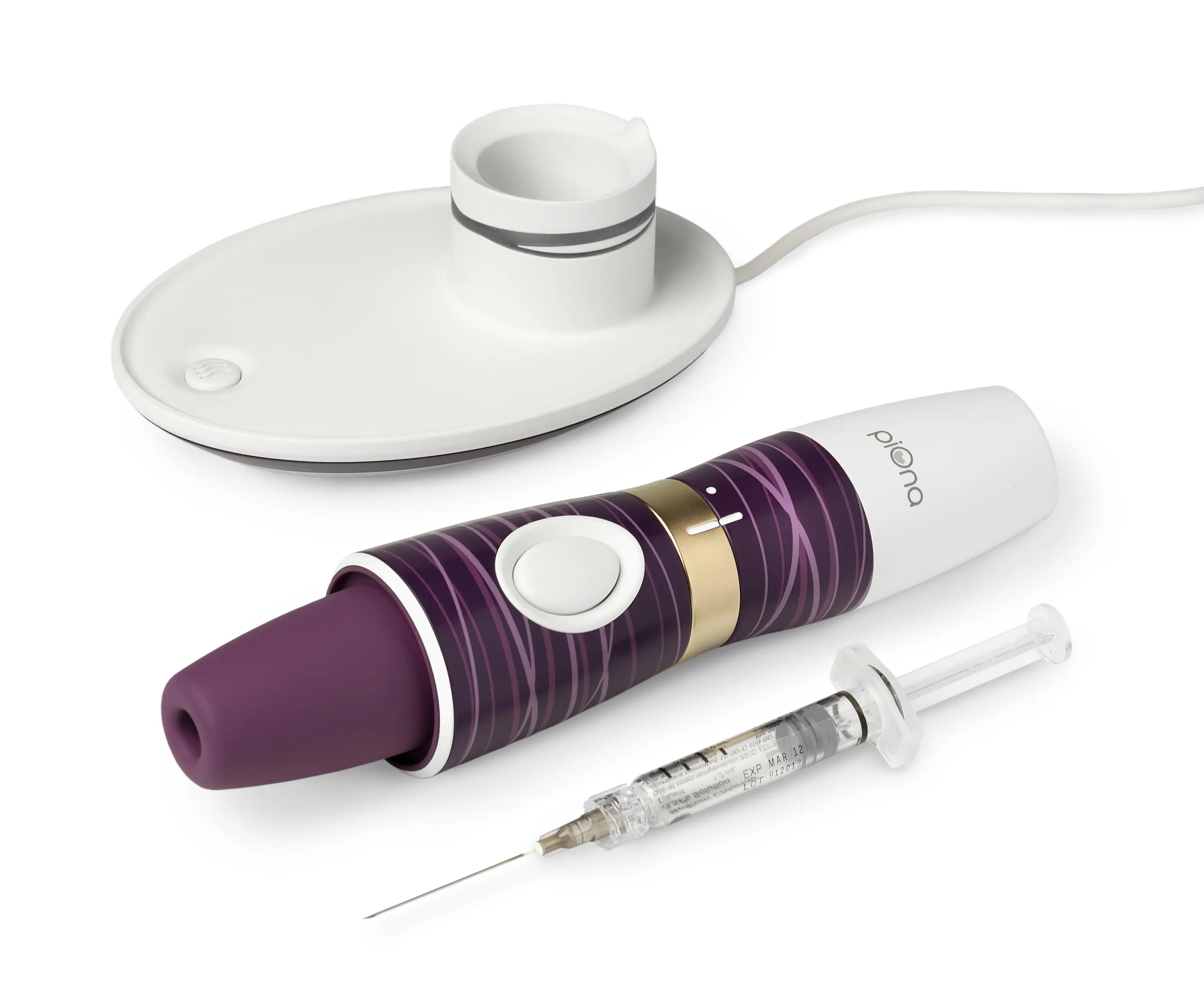
Yes. We paint 3D printed, cast and machined housings to production colours and gloss levels, and mask threads, bores and mating faces so parts still fit together. Many of the instrument housings we make for scientific and medical clients are finished this way.
A tactile coating with a slightly rubbery feel that improves grip and handling. It is available as a 2K lacquer, one of our most durable finishes, although soft-touch can still be marked by heavy handling.
Yes. We apply metallic, flip, pearl and chrome paint finishes, and clear tinted lacquer over bright or metallic colours. For a real metal surface on smaller SLA parts, up to about a 150 mm cube, we can plate in copper, nickel or gold in-house.
Yes. We mask and paint two-colour finishes. As a guide, a two-colour masked finish takes 2 to 3 days for one part, 5 to 6 days for 20 and 10 to 15 days for 100.
Yes. We finish plastic parts to mimic anodised metallics and machined surfaces, as well as VDI textures and soft-touch coatings, so appearance models look like the production part.
Yes. Depending on the part's shape, we apply logos by digital printing, pad printing, screen printing, water-slide transfers or vinyl, and we make self-adhesive labels cut to shape in-house.
Yes. Rigid FDM parts can be sanded, filled, primed and painted, and need more filling than SLA parts to hide layer lines. TPU is harder to sand and needs flexible finishes, and nylon needs careful preparation before coating.
We mix colours in-house and keep a record of every Pantone colour we have mixed over the last 10 years, so a mix can be reproduced. Each batch is finished to an approved first-off sample and checked unit by unit.
A new Pantone or sample colour is mixed by eye, which can take a couple of hours. RAL and car paint colours are mixed on the paint maker's computerised system. Once we have the mix, we can reproduce it easily.
Yes. We sand and polish clear SLA parts and machined acrylic to a glass-like finish, and we have polished and vacuum plated a faceted acrylic whisky bottle case to a mirror finish.
Self-coloured resin is pigmented before casting, so the colour runs right through the part and a scratch doesn't reveal a different colour underneath. Paint is better for high gloss and for metallic, flip, pearl and chrome finishes, which are applied as paint rather than cast in.
“I can show a new model maker how to spray, resin cast or create CAD, but attention to detail is the vital skill every prototyper needs.” Jim, Workshop Operations Manager