Meet patient-specific needs with custom cushioning applications, optimise rigid components with biocompatible-capable and sterilisable materials, and bring life-changing products to market faster with the Carbon platform
Projects
The process of taking prototype assemblies to volume manufacture without any tooling! Carbon helps our clients reinvent their products from design to production without any tooling or set-up cost. Whether you’re a startup or an industry leader, Carbon gives you the resources you need to build from one to one thousand parts or assemblies with total design flexibility within the manufacture process.
Despite industry advances, traditional approaches to additive manufacturing force trade-offs between surface finish and mechanical properties. In contrast, Digital Light Synthesis™ technology, enabled by Carbon’s proprietary CLIP™ process, is a breakthrough technology that uses digital light projection, oxygen permeable optics, and programmable liquid resins to produce parts with excellent mechanical properties, resolution and surface finish.
Traditional 3D printed parts have inconsistency in their mechanical properties dependant on the direction the parts were printed due to the layer-by-layer approach. Parts printed with Digital Light Synthesis™ are much more like injection-moulded parts. Digital Light Synthesis™ produces consistent and predictable mechanical properties.
This is achieved via Carbon's unique embedded heat-activated programmable chemistry in its materials. This chemistry results in high-resolution parts with engineering-grade mechanical properties. At Complete Fabrication are early adopters of this ground breaking technology, being the second company to partner with Carbon in the UK. We have undergone a high level of training and are able to offer information and advice on how this technology may help you, your team and the projects you are looking to undertake. So please pick up the phone to arrange a meeting or drop us an email.
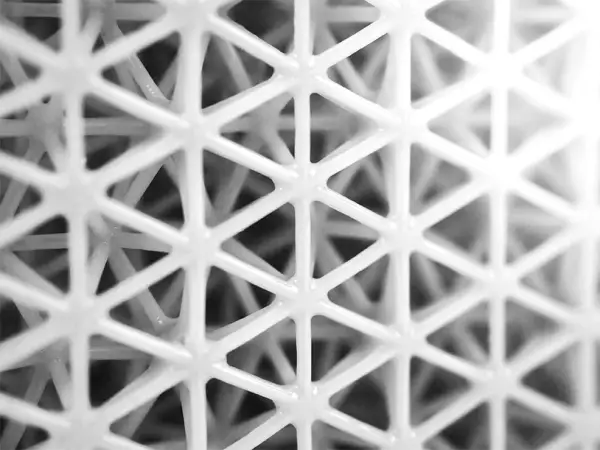
Because of a layer-by-layer process, conventional 3D printed materials often exhibit variable strength and mechanical properties depending on the direction in which they were printed. The Carbon DLS process, on the other hand, produces parts with predictable isotropic mechanical properties. These printed parts are solid on the inside like injection-molded parts and behave consistently in all directions.
Carbon offers comparable materials to traditional thermoplastics used in manufacturing. If you’re not familiar with Carbon resins, you may not know where to start in finding a material that will work for your application. The comparison table pairs familiar thermoplastics with Carbon (or Carbon-certified) materials that have equivalent mechanical properties. The best material for your project will depend on which thermoplastic properties are most important in your application.
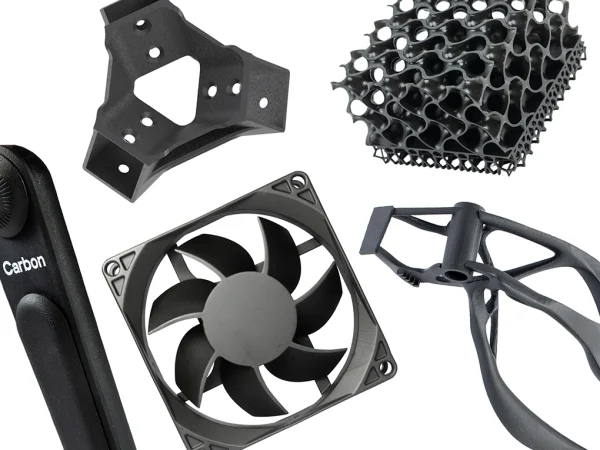
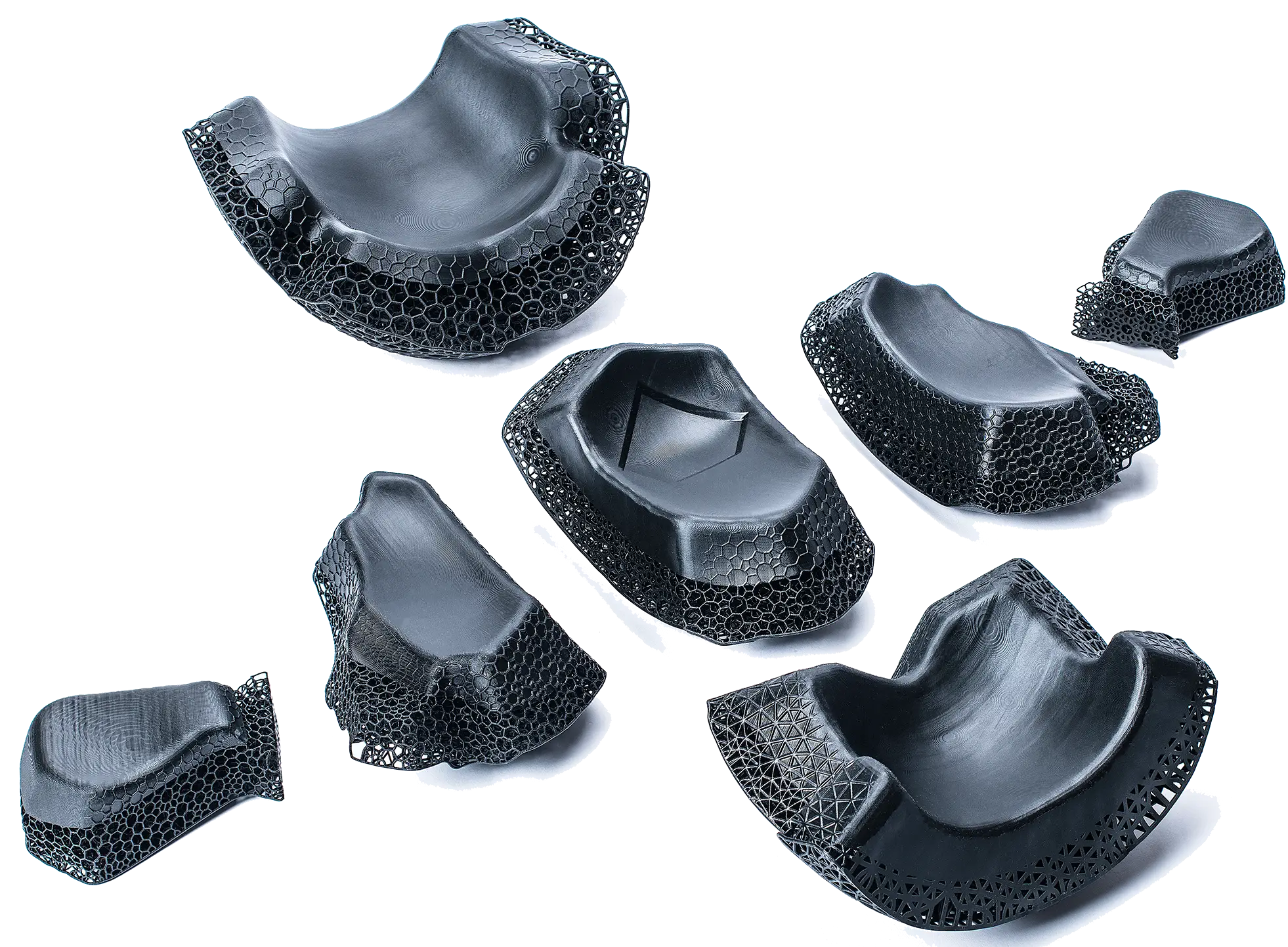
We build what others only imagine. Let's create something real together.
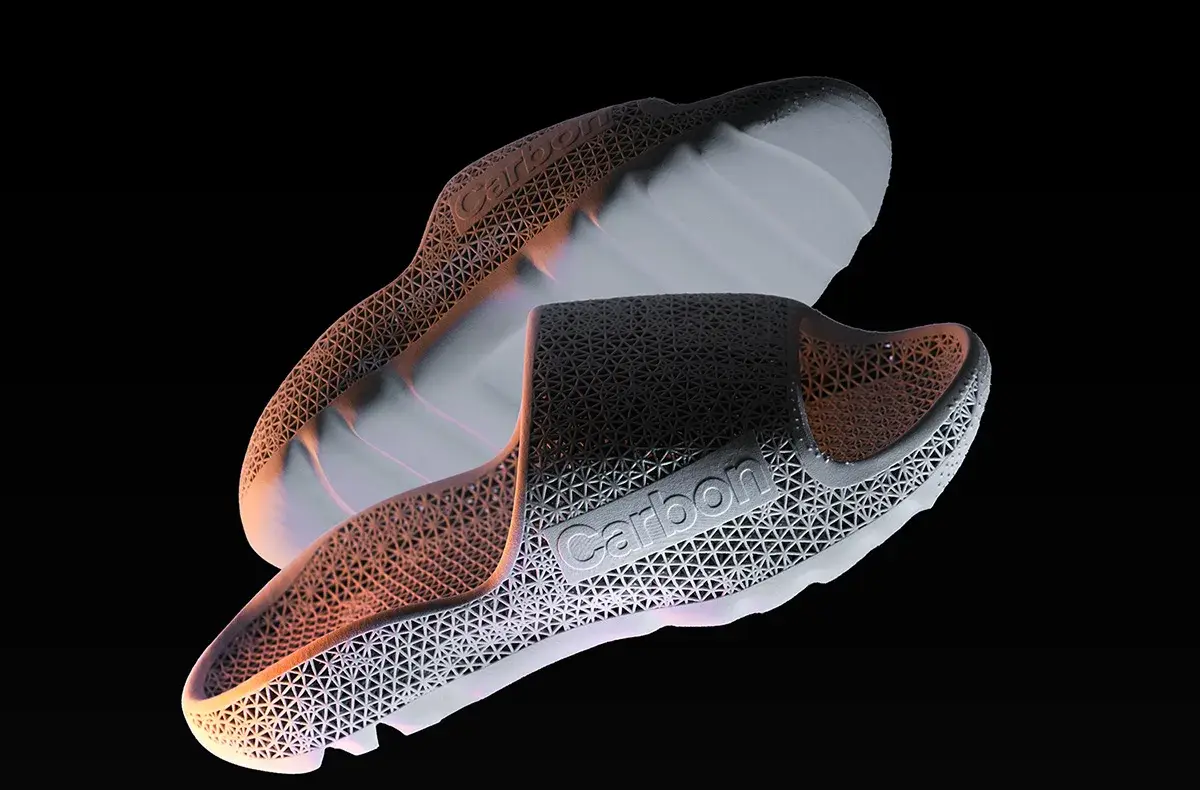
From idea to reality - crafted with precision.