Small batches
Closer to production

Vacuum Casting gives you consistent parts, better surfaces and more production-like material behaviour
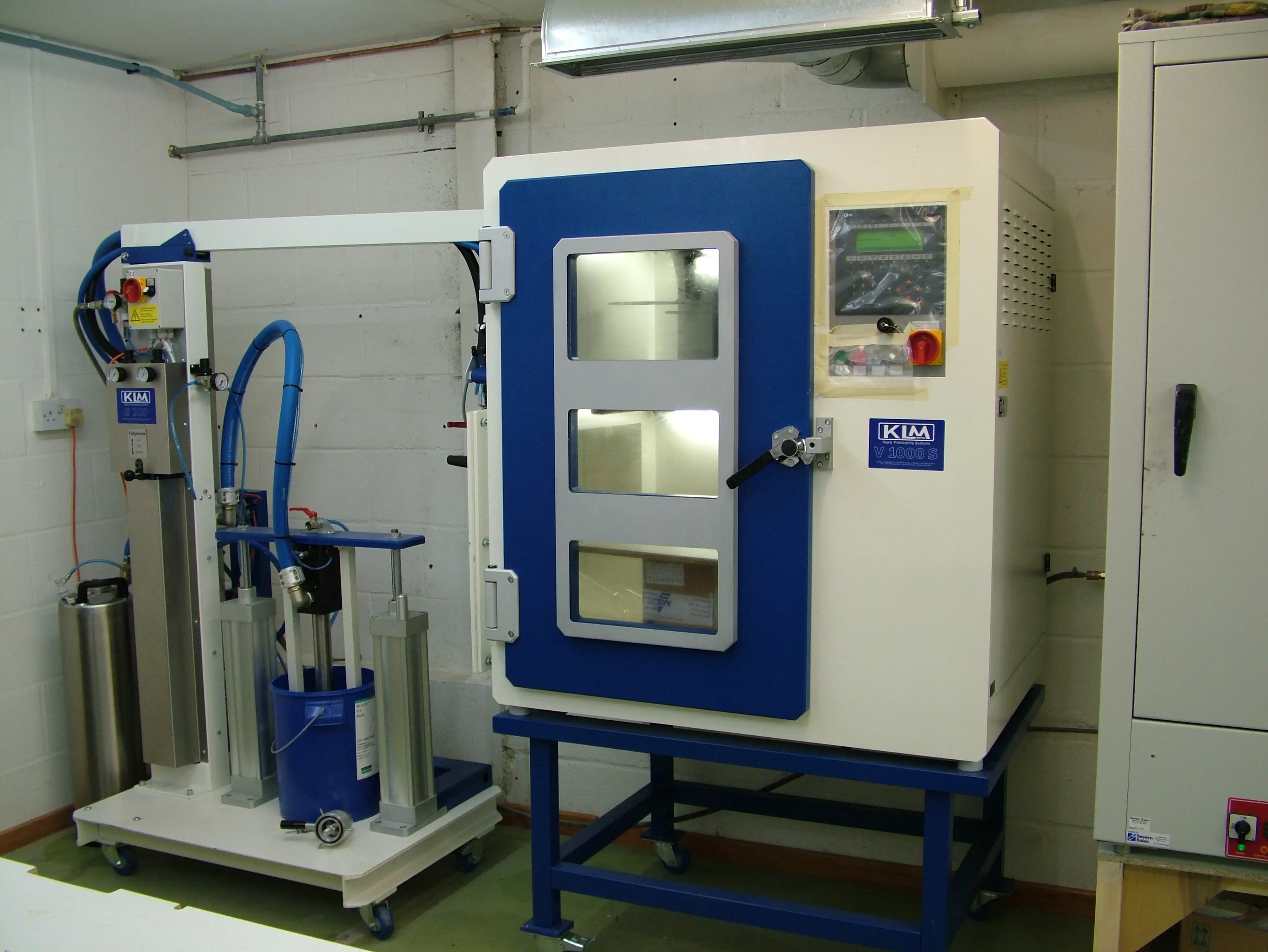
Vaccum casting machine with oven with control panel and connected equipment in a casting room.
Process

How Vacuum Casting works

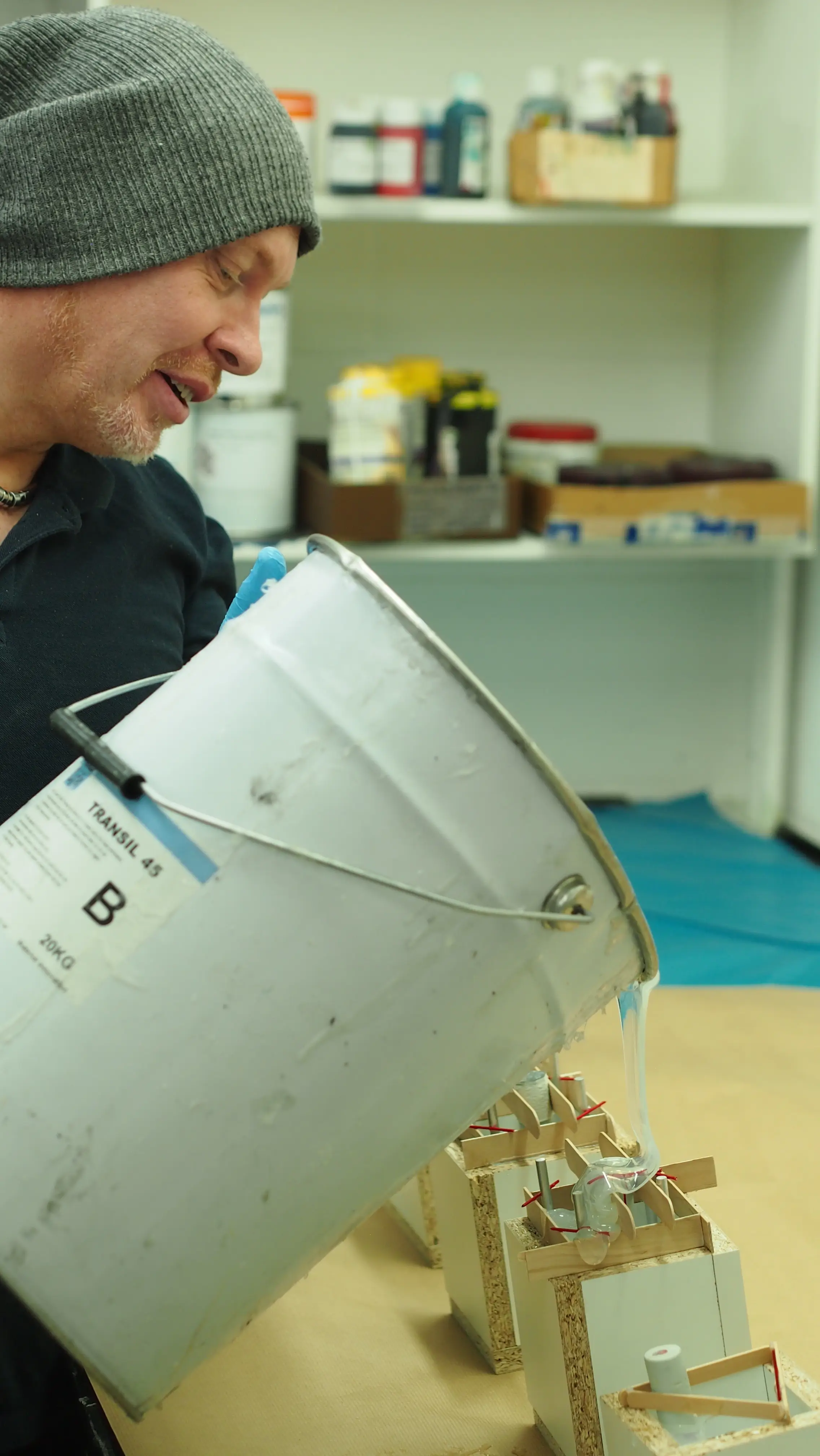
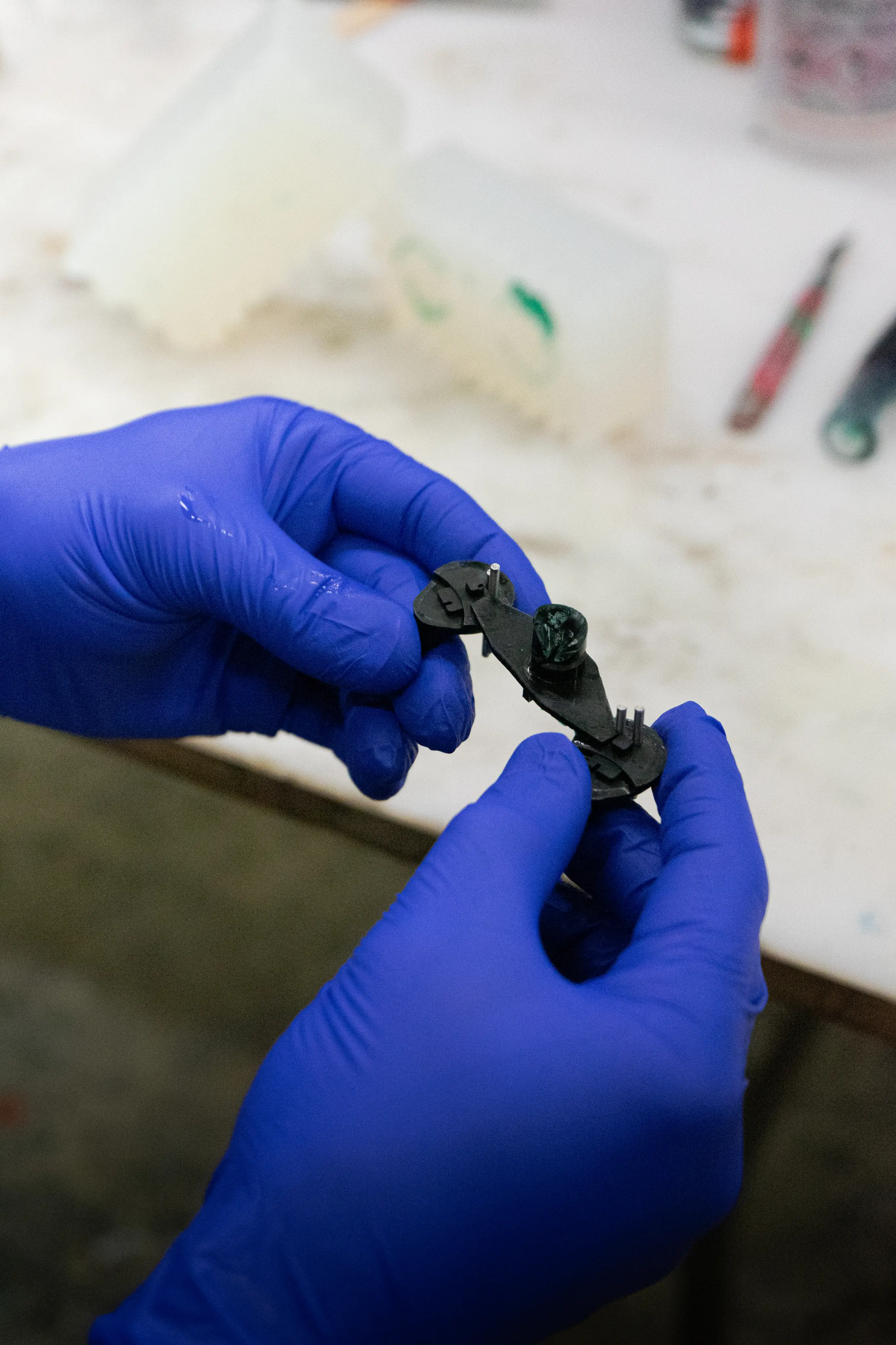
We create a silicone mould from a master pattern, then cast resin under vacuum to reduce bubbles and improve detail. The result is high-quality prototypes and small batches with excellent surface finish and mechanical properties.

  • Medical device prototypes

  • Consumer product development

  • Aerospace and automotive components

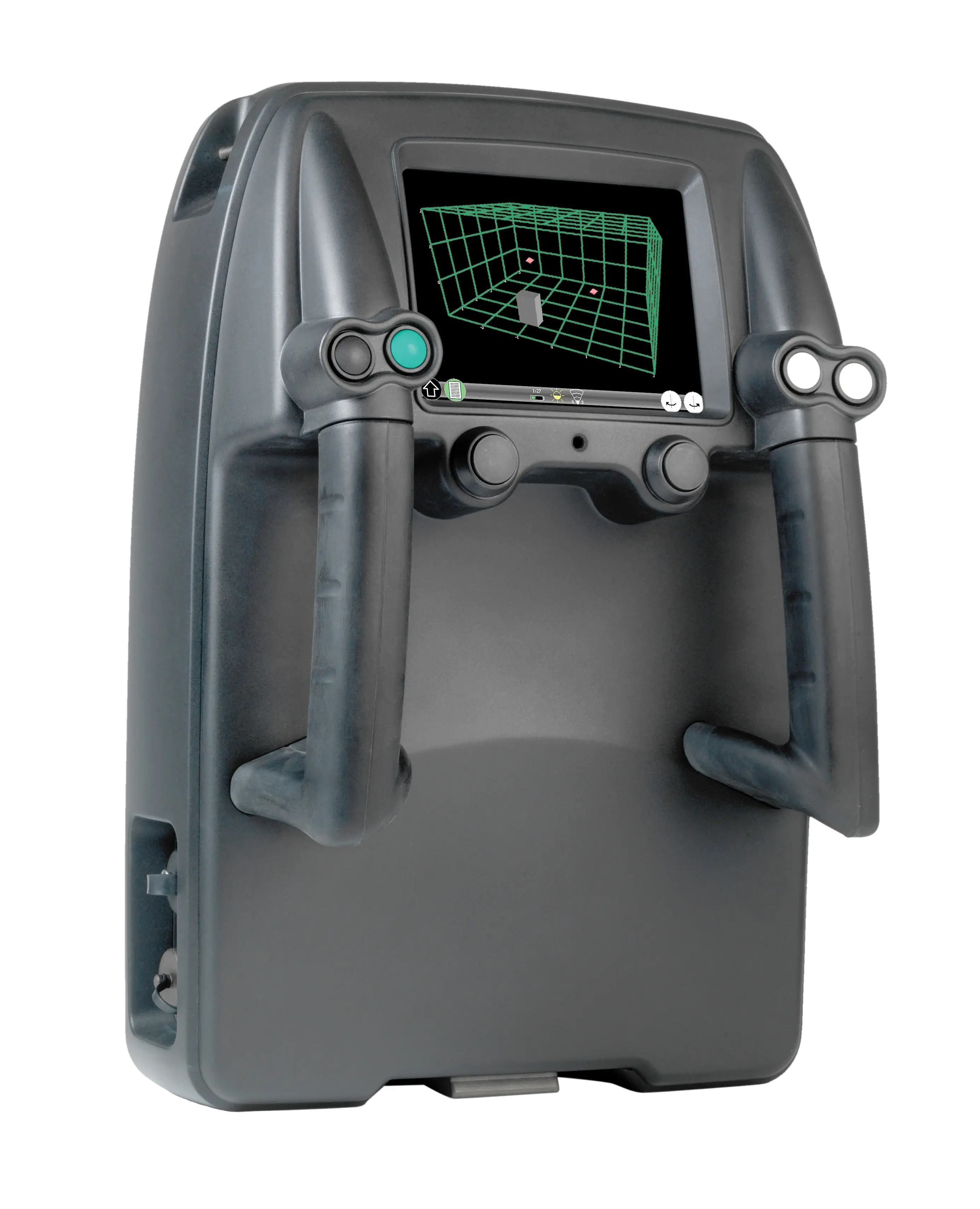
Through Wall Scanner Vacuum Cast  Production
Benefits

Why Vacuum Casting is often the best next step

It gives you small batches that look and feel closer to production, without committing to full tooling too soon.

Fine detail, held accurately

Small features and critical dimensions transfer cleanly from the master pattern to the finished part.

Materials chosen for the job

Polyurethane, silicone and epoxy resins selected to match the performance your prototype needs.

Fast turnaround for testing

Most vacuum casting projects are completed in two to three weeks, so parts get into testing sooner.

Why Choose Vacuum Casting?

  • Simulated Injection-Moulded Parts: Enjoy the quality and precision of injection-moulded components without the high costs. Our Vacuum-Casting process delivers highly accurate parts with a flawless tool-surface finish that is self-coloured, achieving professional-grade results in less time.
  • Bubble-Free Casting: By operating under vacuum conditions, our process eliminates air bubbles during moulding, resulting in parts with smooth and blemish-free surfaces for enhanced quality.
  • Complex Geometries: Vacuum Casting excels in replicating intricate designs and delicate features, making it ideal for components with complex shapes.
  • Material Transparency Options: We can craft parts using materials with various degrees of transparency - fully opaque, translucent, or completely clear-to suit your design and aesthetic requirements.
  • Self-Coloured Castings: Using advanced resin technologies, we produce self-coloured castings that eliminate the need for additional painting or finishing steps. These castings offer vibrant, consistent colours throughout the part, ensuring an aesthetic and professional appearance right out of the mould.
  • Efficiency and Savings: For projects requiring fewer parts, Vacuum Casting ensures rapid processing while minimising costs, allowing you to focus resources on innovation.
  • Low-Cost Tooling: Silicone moulds used in Vacuum Casting are faster and more affordable to produce compared to metal moulds, making it a cost-effective option for prototyping and low-volume production.
  • Surface Finish Versatility: Whether you need a glossy, matte, or textured surface, Vacuum Casting offers exceptional flexibility to achieve the desired finish.
  • Wide Material Range: We offer a diverse selection of resins, including biocompatible resins for medical applications and thermoset-simulant resins that replicate production materials. Whatever your project demands, we provide solutions tailored to your unique requirements.

Experience Excellence

With our advanced Vacuum-Casting techniques, we deliver components that combine functionality with exceptional aesthetic appeal. Whether you’re prototyping or producing end-use parts, our process ensures precision, efficiency, and quality at every step.

From transparent prototypes to blemish-free, intricately detailed components, Vacuum Casting is a versatile and reliable solution for your manufacturing needs.
 Let us help bring your ideas to life with solutions that save time, reduce costs, and deliver results that exceed expectations.
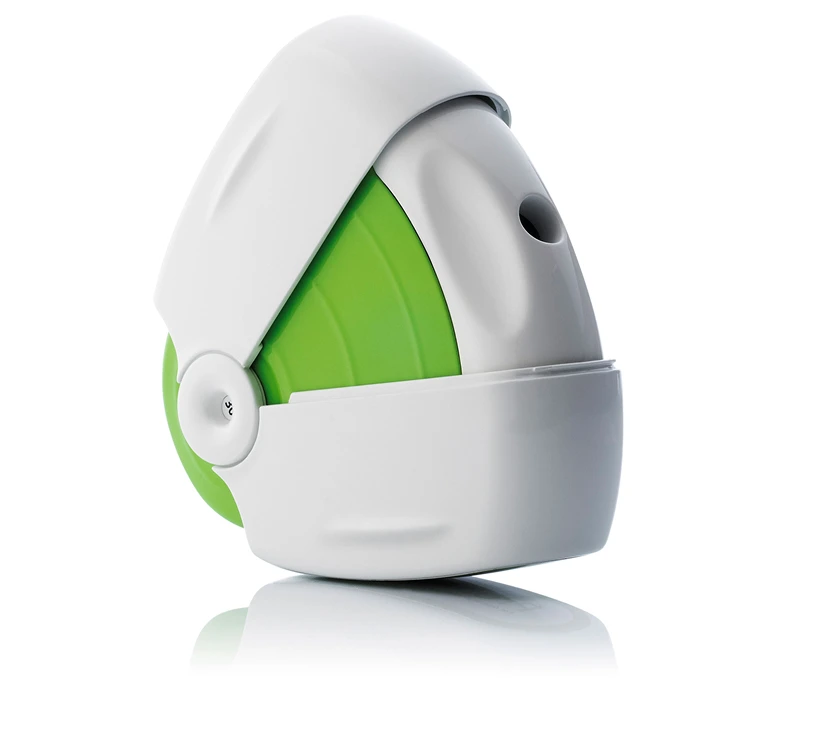
Vaccume Casting Inhailer Prototype

Closer to production

Examples of Vacuum Cast prototypes and small batches built for testing, review and real use
Questions

Find answers about our Vacuum Casting capabilities and process

Are you right for the kind of prototype I need?
What’s the timeline?
Can Vacuum Casting produce biocompatible parts for medical device testing?
What tolerances can you hold?
Why not injection mould?
What about surface finishes?
How does Vacuum Casting compare to 3D printing for consumer goods prototyping?

Need more information?

Reach out to discuss your Vacuum Casting project

Get your Vacuum Casting quote

Send us your design and we'll provide a cost and a timeline
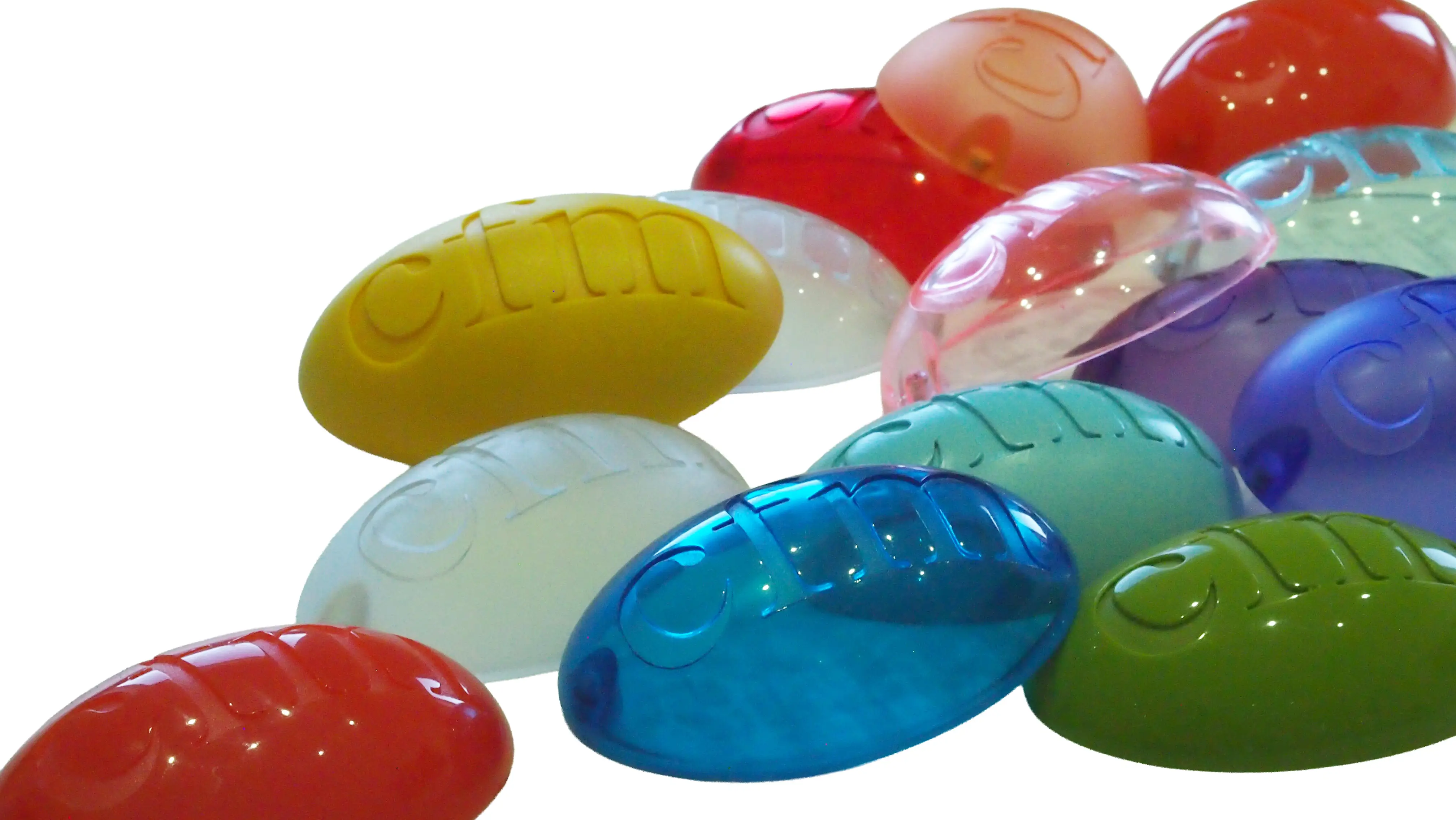
Close-up of colorful translucent CFM logo samples made of cast PU resins impression trays arranged in a pile on a white background.