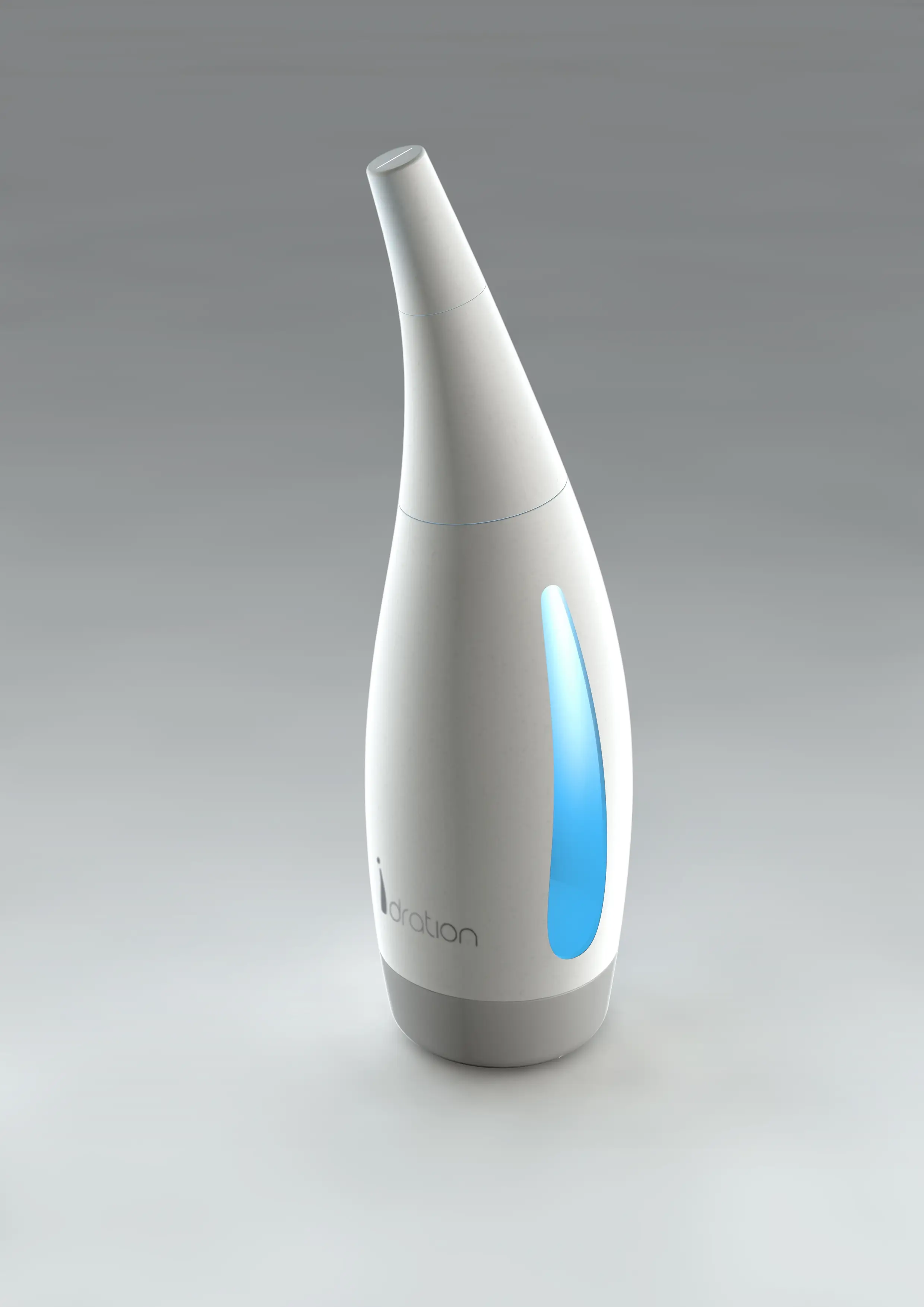
David Kent founded the company in 1986, after completing an apprenticeship in modelmaking and patternmaking and working freelance for a prototyping company. He was trained by a patternmaker and laminator who used to make moulds for Lotus, who were leaders in GRP cars at the time. Kent started casting resins under vacuum, learning from Dow Corning's use of Conathane, a polyurethane casting resin, and platinum-cured silicone moulds used by the US military to make replica rifles for training. He developed this vacuum casting process with a leading supplier of vacuum casting machines, and the company became the first to achieve two-shot moulding in vacuum casting using different shore-hardness, self-coloured polyurethane resins.
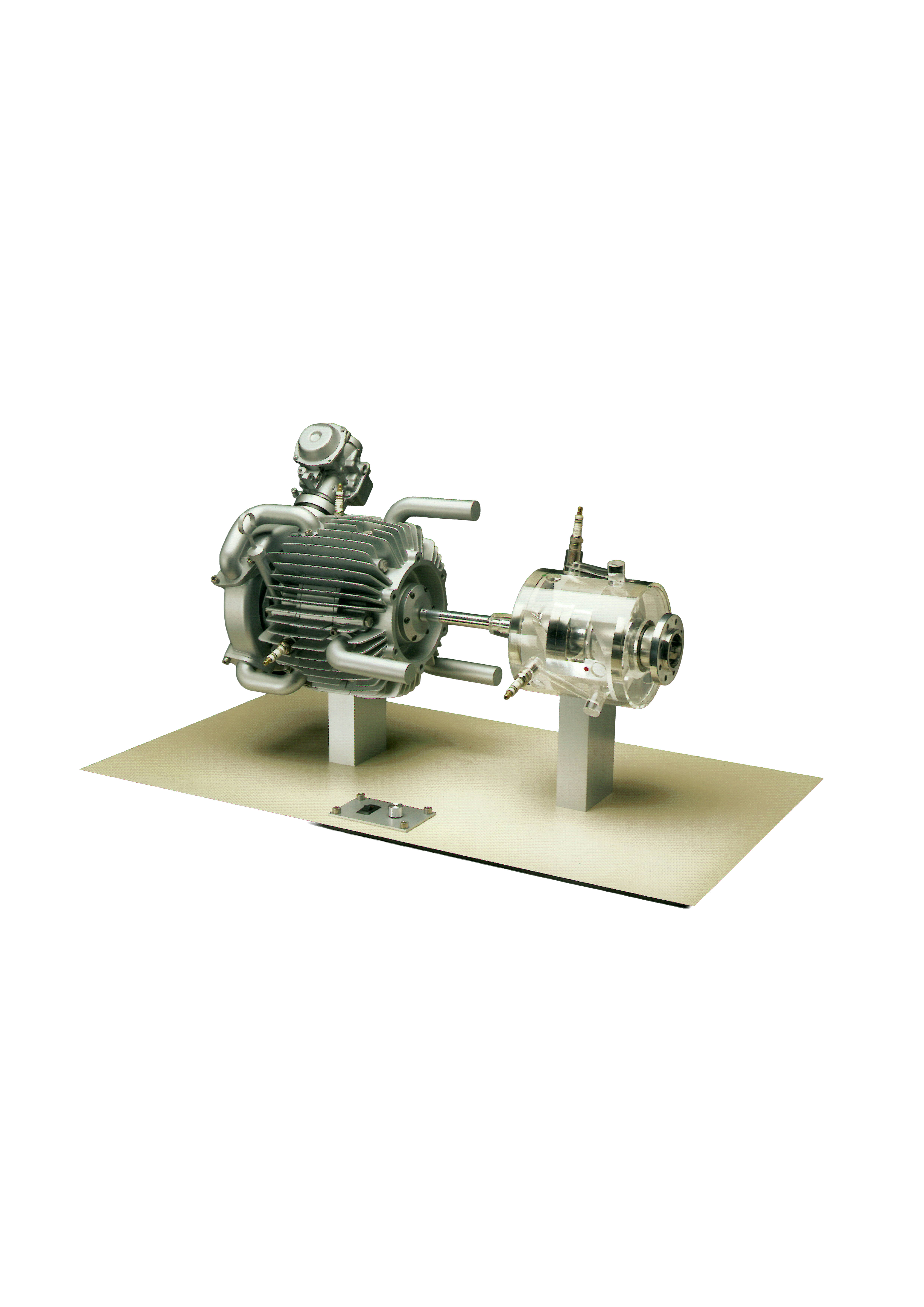
The company has continued to research and improve the accuracy of this process ever since, and remains a leader in the field of rapid prototyping and small-scale production. The company has a long track record of research and development, including work with the Whittle Laboratory at Cambridge University, the world-leading jet engine research centre. Working on rotor blades for the lab, the team added Kevlar fibres to vacuum-cast blades, increasing prototype turbine blade strength by a factor of five.
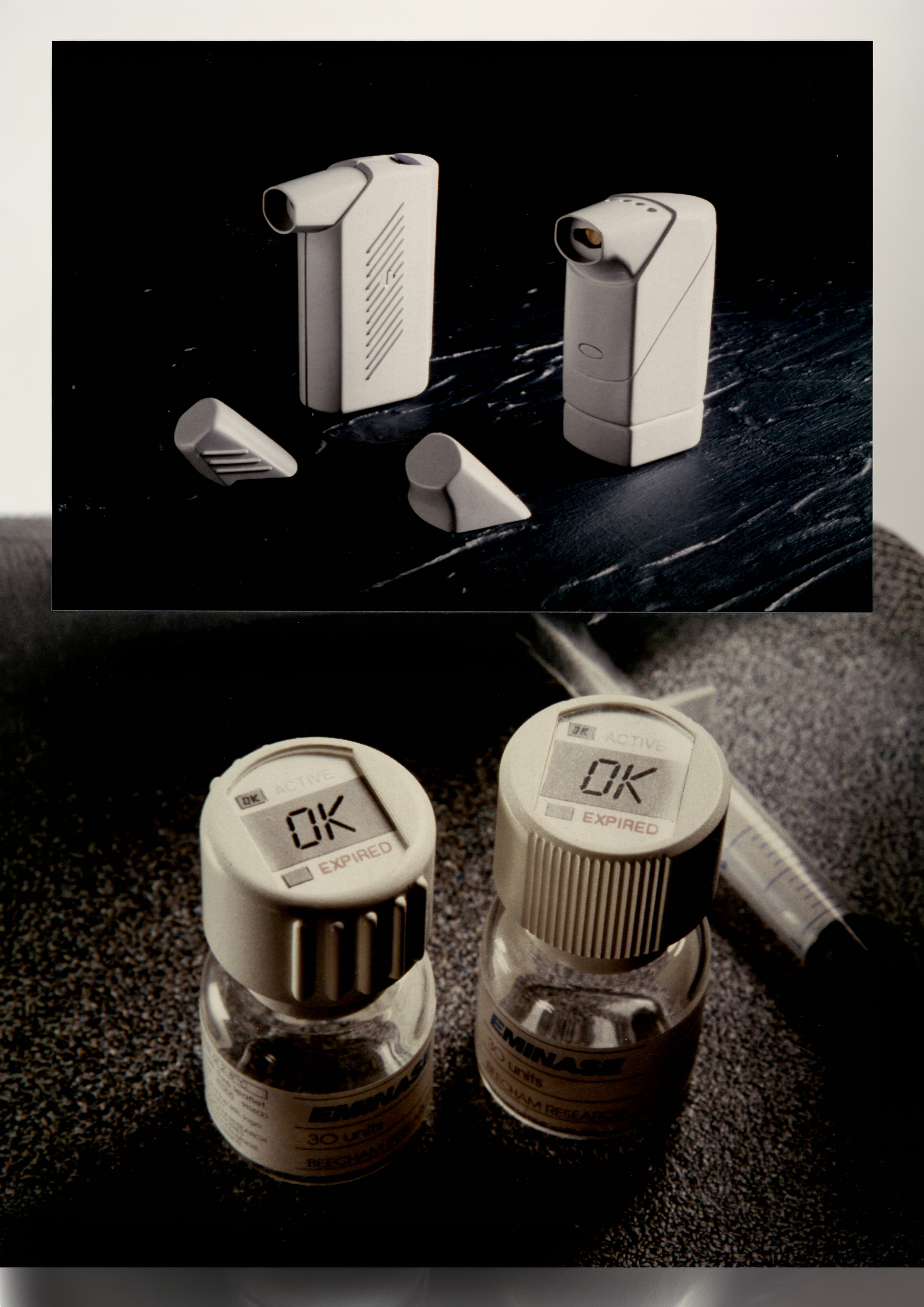
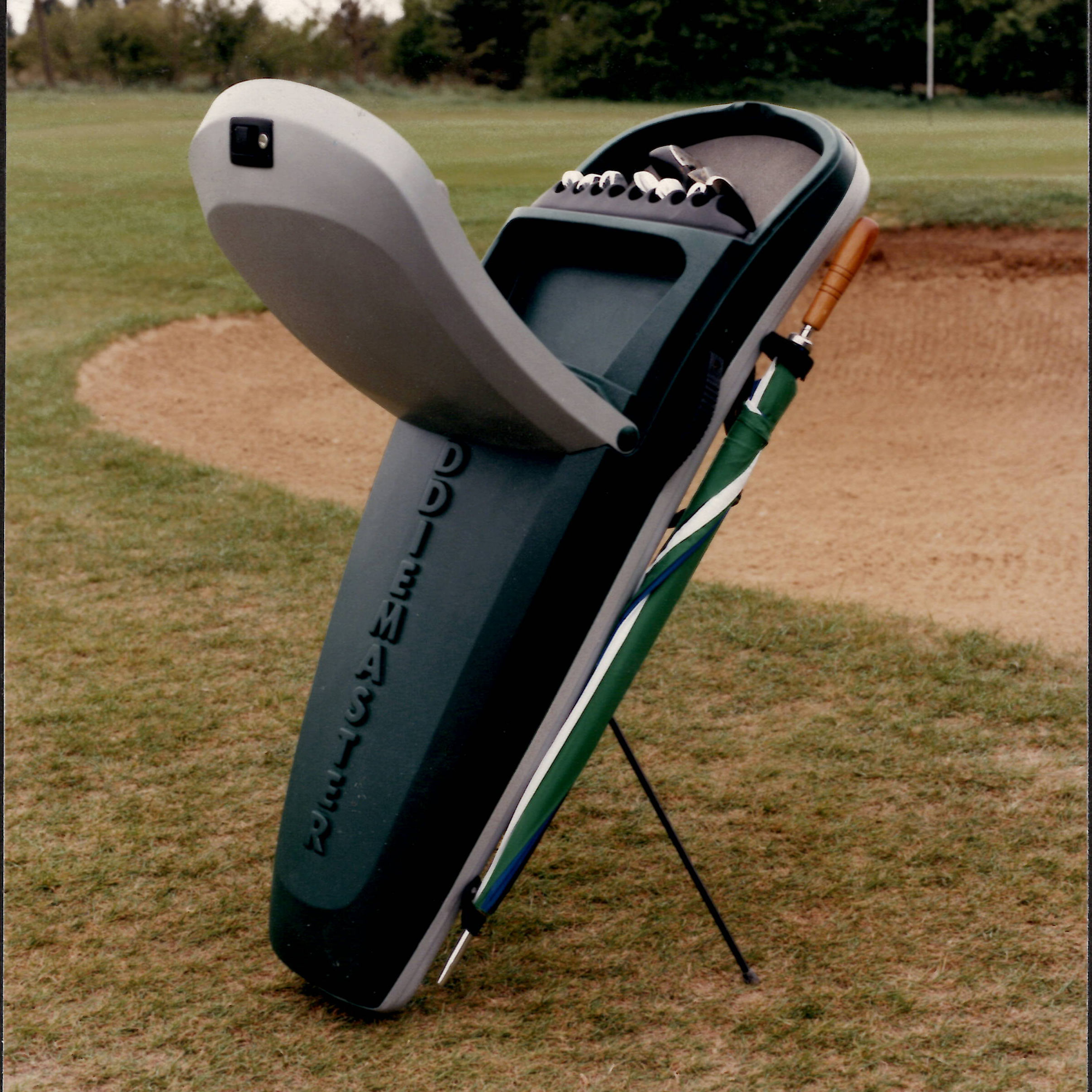
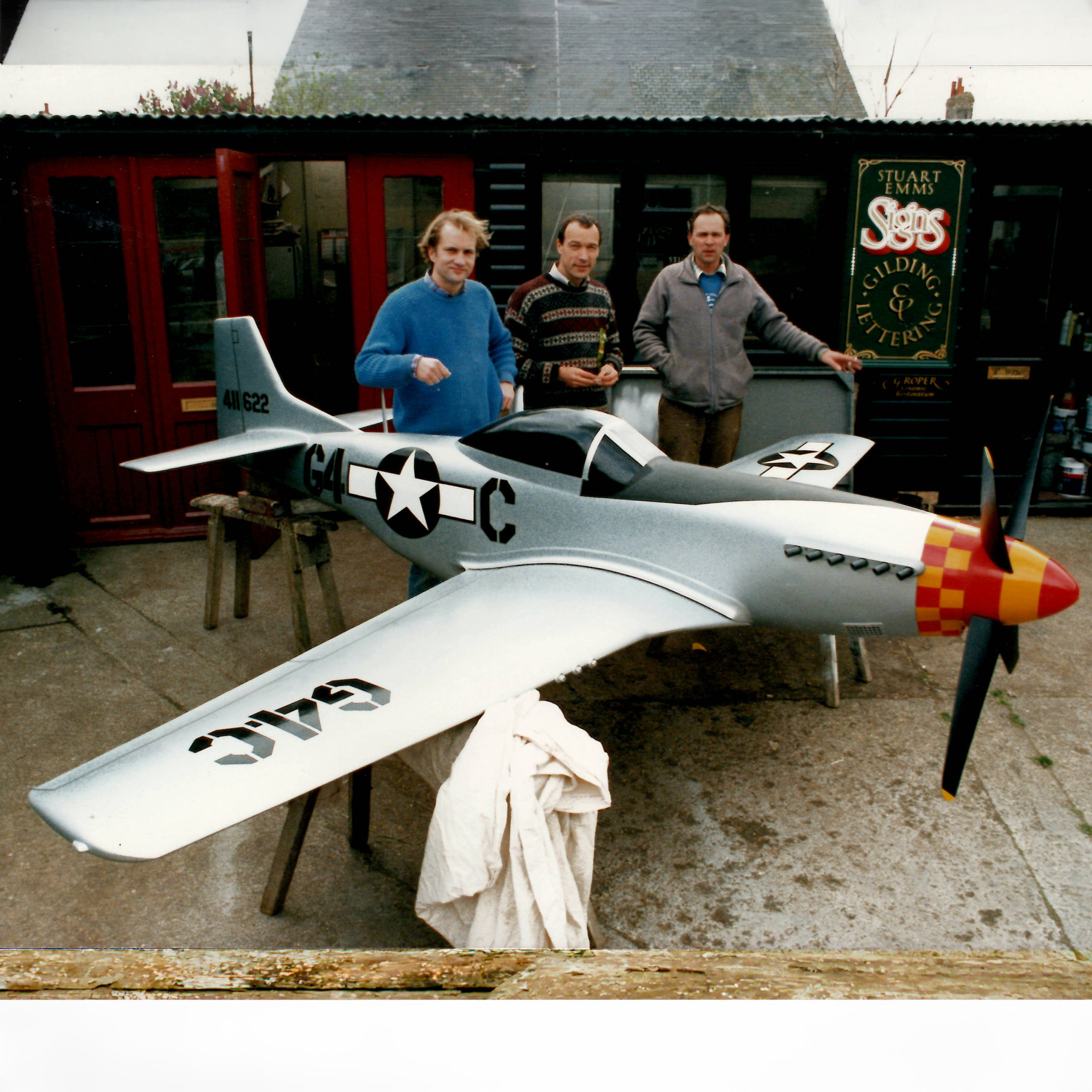
Forty years on, the company has moved on from making everything by hand to now having a 3D print department running SLA, Carbon DLS and FDM, and a CNC machining department too. SLA prints are turned around in 24 hours as standard, without rush fees, one of the fastest turnarounds in the industry. The most respected department, though, is still hand work and finishing: the team who take a prototype and make it look and work like a production product. David Kent is still at the helm, now alongside his son, with a team that's grown steadily over the decades, still driven by the customer and powered by research.
How the company works
Complete Fabrication has a multi-skilled workforce, so a job belongs to a person: they take the brief, work on it, assemble it and finish it. It's the same for the designers; they follow the whole process through too. Some of the 3D print and CNC teams do specialise in their own fields. That means whoever's running the job can talk to the customer at any point, give feedback and sort out any issues as they come up, rather than the work passing through several pairs of hands.

The company works across medical devices, aerospace, automotive, defence, electronics, robotics and consumer products, so it's used to switching between very different sets of rules: biocompatible materials one week, high-temperature components the next, non-disclosure agreements running through most of it. Whatever the brief, the method, materials and schedule get planned out before any tool is picked up, because starting with the wrong process almost always costs more time than it saves later on. Sometimes the answer is 3D printing overnight. Sometimes it's CNC machining, because the finish has to be right first time. The team uses whichever gets a good part fastest, not whichever machine happens to be free.
Where the company has got to
Forty years in, Complete Fabrication has completed more than 4,850 projects and is ISO 9001 certified (certificate 7774). Most of its work still comes from people who've used the company before, or been pointed its way by someone who has, and that counts for more than any of the above.
Customers with a part that needs making are encouraged to get in touch. There's a decent chance Complete Fabrication has made something like it before.
.webp)
For medical work, see medical device prototyping.
Complete Fabrication Ltd, trading as Complete Fabrication (CompFab), makes prototypes and low-volume parts at Lion Works in Whittlesford, just south of Cambridge. Registered in England and Wales, company number 03528752.
Get directions on Google Maps. Not sure what to include in an enquiry? See what affects the price.
Unit 4B Lion Works, Station Rd E, Whittlesford, Cambridge CB22 4WL
Monday to Friday, 08:30 to 17:30
Common questions about visiting us and talking through your project.