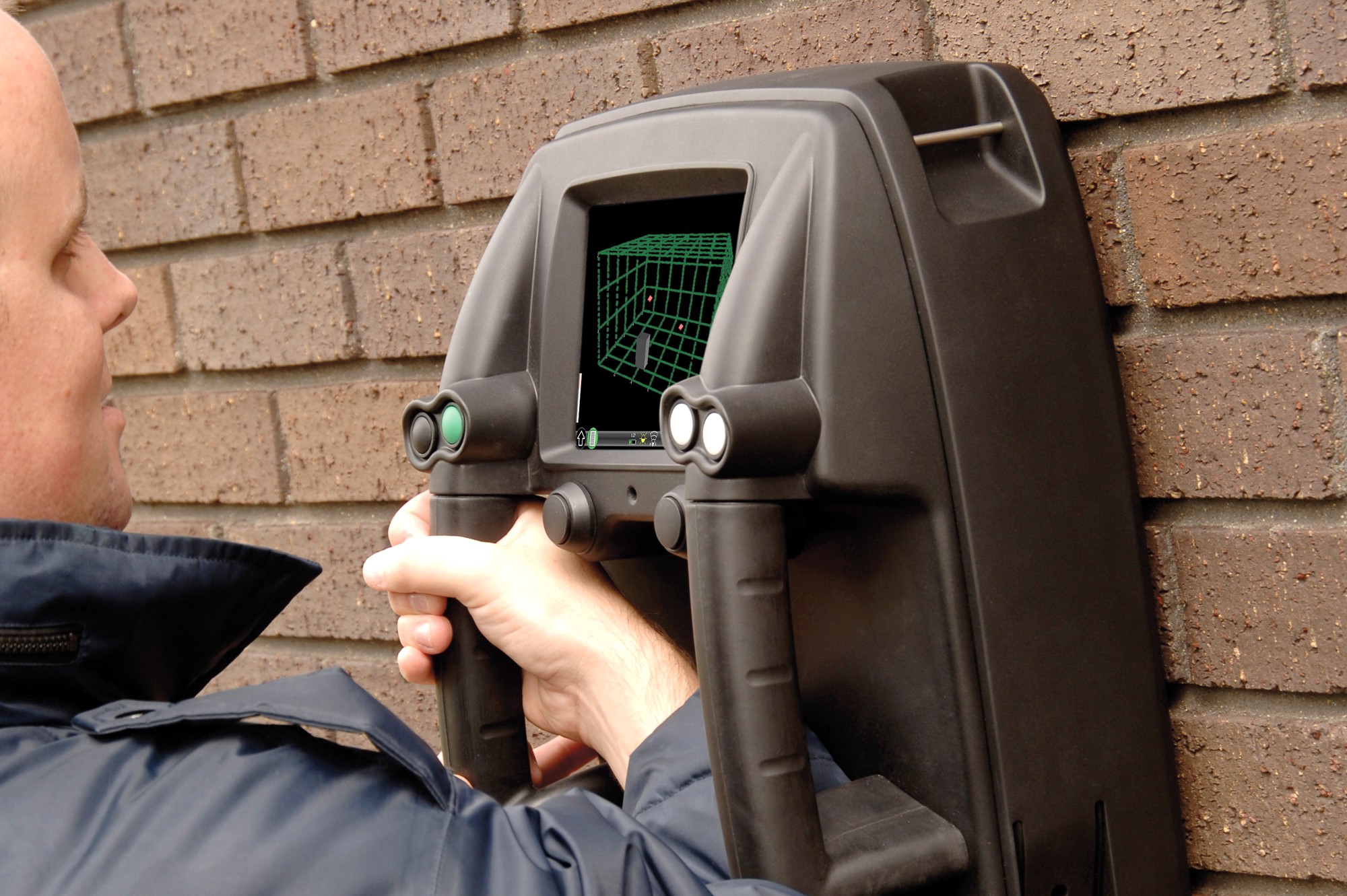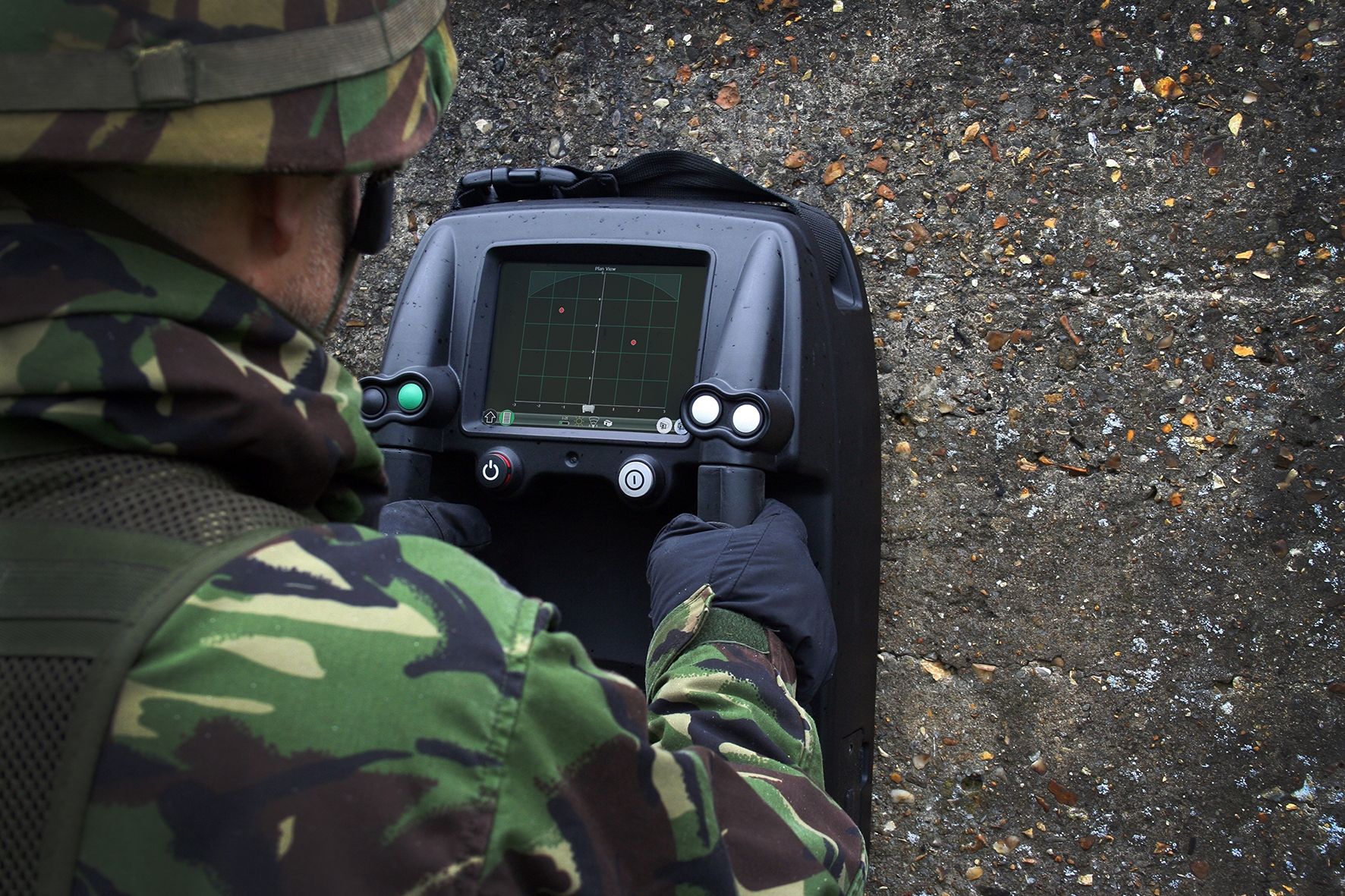
Cambridge Consultants asked us to make the case works for their Prism200 device. The finished case had to meet the right IP rating and pass environmental testing, including a drop test.
From earlier trials, both in-house and with Cambridge Consultants, we already had a casting material that gave us the best chance of meeting the specification. After planning meetings with their team, we agreed to start with a first set of vacuum-cast cases to prove the design, the material and the process together.
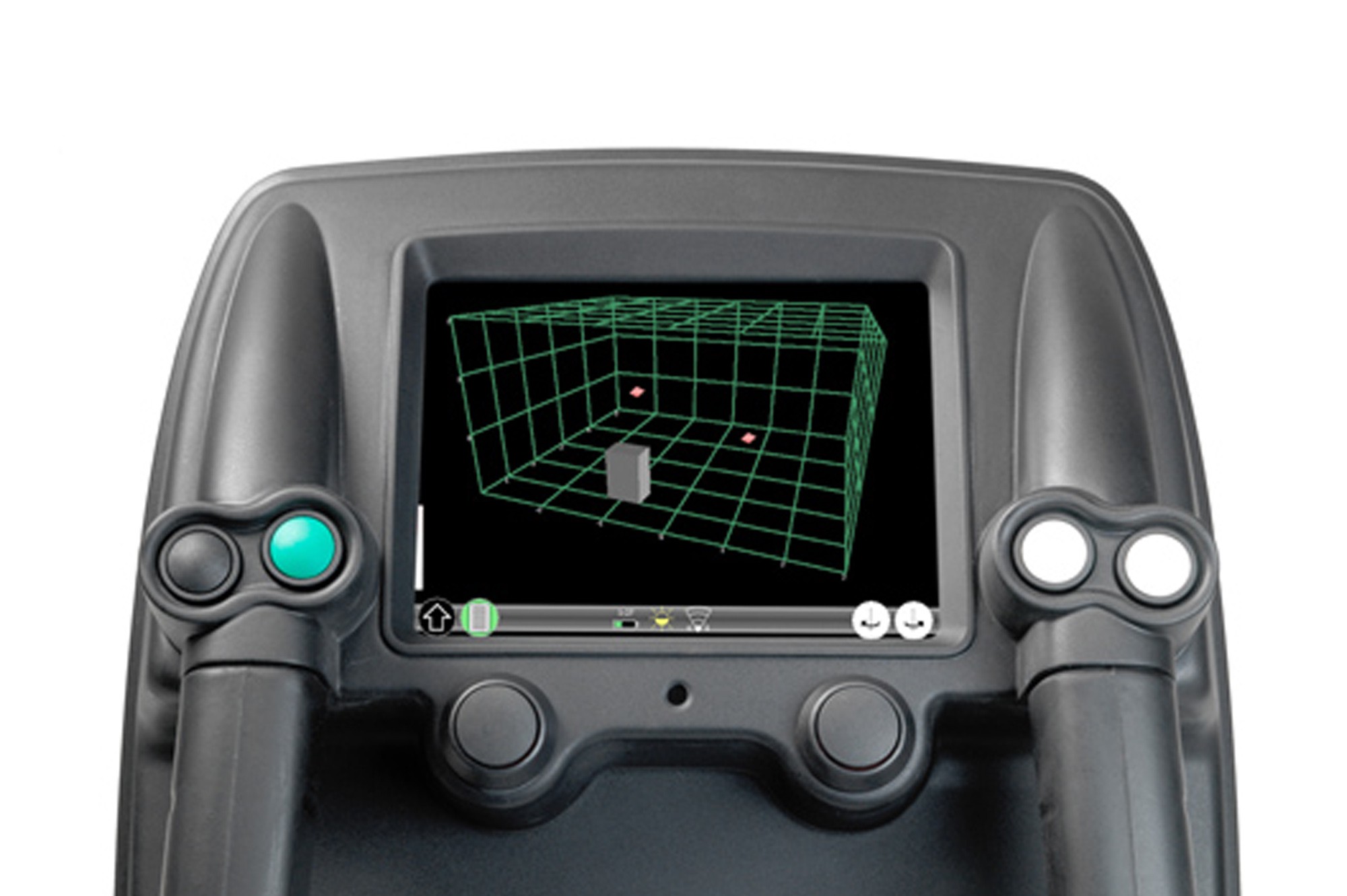
Masters and tooling. We made SLA masters and finished them to the agreed surface texture. Once fit checks with the client's team were signed off, we made the silicone tools.
Testing, and a fix. The cast cases then went into destructive testing. They largely passed, but the tests showed a weakness in some areas. We strengthened those areas in the casting process with an over-moulded glass mat reinforcement.
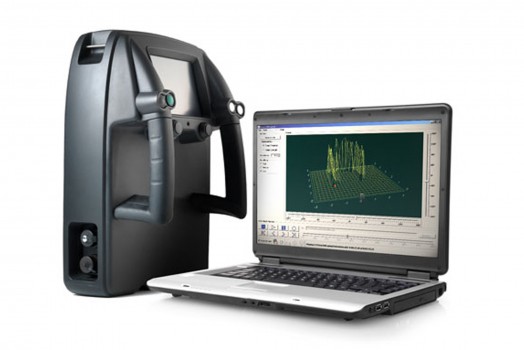
Into production. With that change made, the case went into low-volume production in our workshop, ready for the hostile environments the device is built for. By 2019 we had made case sets numbering into the low hundreds.
Related: Vacuum casting · Production workshop · Design consultancies
Send us your CAD or drawings and tell us when you need the parts.